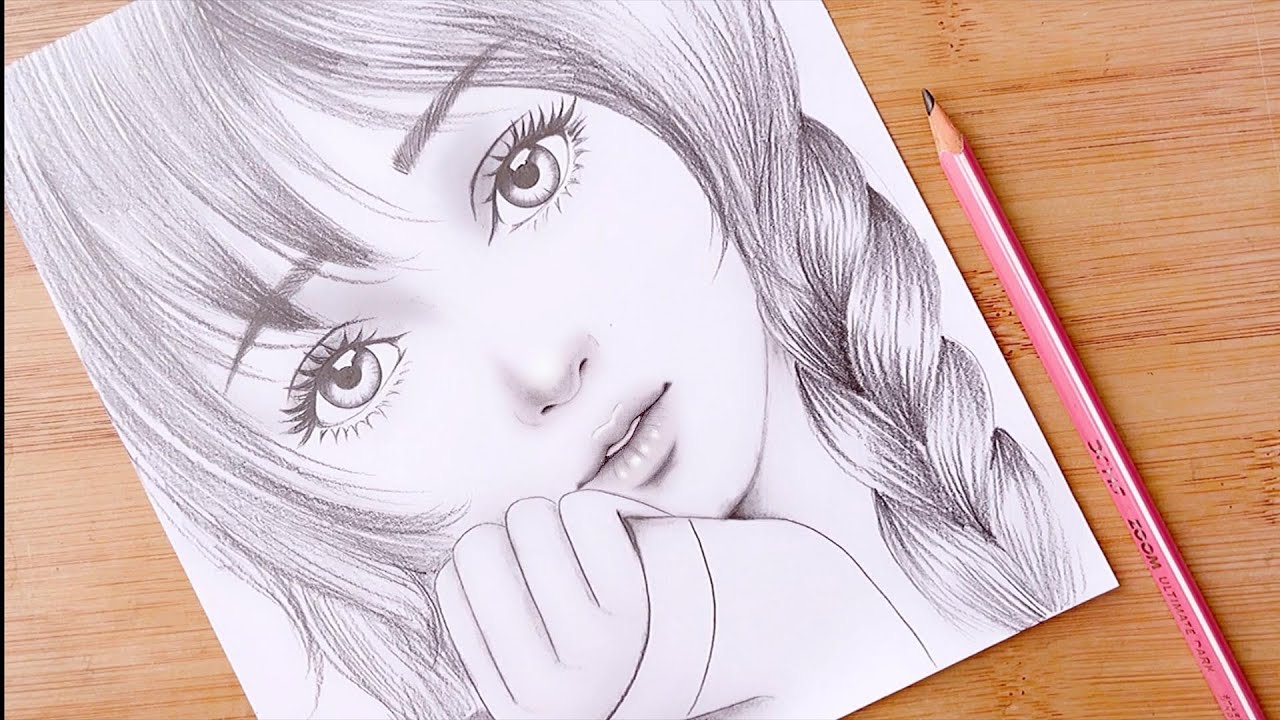
Sketch of a male and female figure: Capturing the Essence of Humanity in Lines
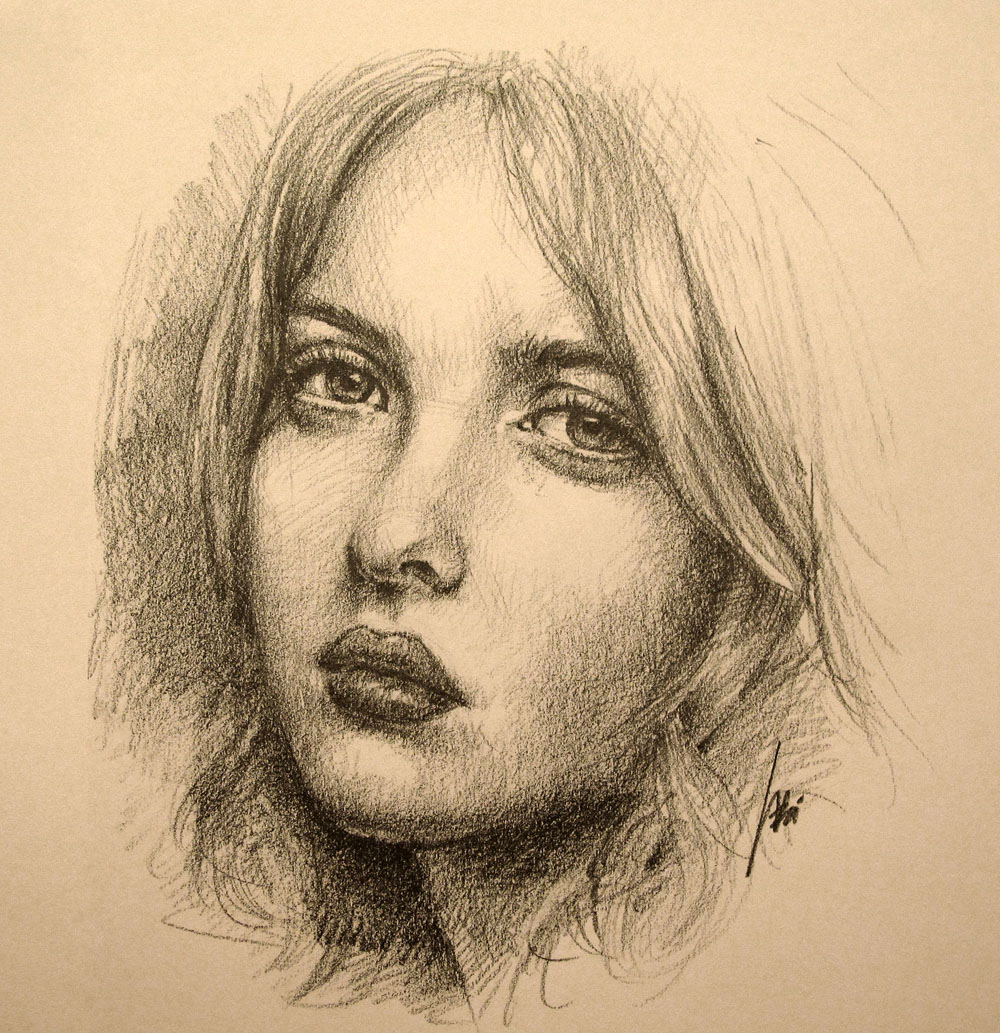
The Art of Depicting the Human Form: A Powerful Journey Through the sketch of a male and female figure
The human form, in its infinite variety and profound beauty, has been a muse for artists since the dawn of civilization. From the earliest cave paintings to the hyperrealistic digital art of today, the sketch of a male and female figure remains a fundamental and endlessly fascinating subject. This seemingly simple act of drawing two human outlines – one representing masculinity, the other femininity – unlocks a universe of artistic expression, storytelling, and understanding. It’s a powerful testament to our innate desire to capture and interpret the essence of what it means to be human.
Whether rendered with swift, gestural strokes or meticulously detailed lines, a sketch of a male and female figure can evoke a spectrum of emotions and narratives. It can be a celebration of connection, a contemplation of contrast, or a poignant exploration of individuality. In this article, we’ll delve deep into the captivating world of sketching the male and female form, exploring its artistic significance, technical considerations, and the profound impact it holds for both the artist and the viewer. We’ll uncover the magic that happens when simple lines come alive, revealing the complexities and nuances of our shared humanity.
The Enduring Allure: Why We Draw the sketch of a male and female figure
The human figure is, arguably, the most compelling subject matter an artist can tackle. It’s relatable, recognizable, and deeply ingrained in our collective consciousness. When we see a sketch of a male and female figure, we instinctively project our own experiences, emotions, and understanding of relationships onto the drawing. This immediate connection is what makes figure drawing such a potent artistic practice.
H3: A Universal Language of Form and Emotion
The beauty of the sketch of a male and female figure lies in its universality. Regardless of cultural background or personal history, we can all recognize and interpret the basic gestures and postures of the human body. An artist’s skillful use of line, shading, and composition can then imbue these forms with specific emotions, suggesting joy, sorrow, tension, or serenity. This ability to communicate complex feelings through visual representation is a powerful aspect of art.
H3: Exploring the Dichotomy and Harmony
The act of drawing a male and a female figure together often invites an exploration of their differences and similarities. Artists can highlight the distinct anatomical characteristics, the subtle variations in posture, and the potential for both conflict and harmony between the sexes. This interplay between duality and unity is a rich source of inspiration, allowing for the creation of sketches that speak to partnership, opposition, or mutual support.
H3: A Foundation for Artistic Mastery
For aspiring artists, mastering the sketch of a male and female figure is a crucial step towards achieving proficiency in various artistic disciplines. Understanding anatomy, proportion, and the way light interacts with form are fundamental skills that are honed through figure drawing. Whether one aims to become a portrait artist, a storyteller in comics, a designer of characters for animation, or a painter of grand historical scenes, the ability to accurately and expressively render the human body is indispensable.
The Craft of Creation: Techniques for a Compelling sketch of a male and female figure
Creating an impactful sketch of a male and female figure involves more than just tracing outlines. It requires an understanding of fundamental artistic principles and a willingness to experiment with different List of clothing styles for men unlocking your ultimate wardrobe approaches.
H3: Understanding Anatomy as the Blueprint
While a sketch might not delve into intricate anatomical detail, a foundational knowledge of the human skeleton and musculature is essential for creating believable figures. Artists need to understand how bones connect, how muscles bulge and contract, and how these elements influence the surface form. This understanding allows for the creation of figures that feel solid and alive, rather than flat and lifeless.
- H4: Key Anatomical Landmarks: Recognizing key landmarks like the shoulder girdle, rib cage, pelvis, and the major muscle groups helps in establishing correct proportions and understanding the underlying structure.
- H4: Dynamic Poses: Moving beyond static poses, artists learn to capture the energy and flow of movement. This involves understanding how the body shifts its weight and how different parts move in relation to each other.
H3: The Power of Line: Expressive Strokes and Form
The quality of line in a sketch of a male and female figure can convey a wealth of information. From thin, delicate lines that suggest fragility to bold, confident strokes that define strength, the artist’s hand transforms simple lines into evocative forms.
- H4: Gestural Sketching: This technique focuses on capturing the essence of the pose and movement with quick, energetic lines. It’s about feeling the flow of the body rather than meticulously detailing every contour.
- H4: Contour Drawing: Here, the artist focuses on the outlines of the form, paying close attention to the curves and edges that define the figure. This can lead to a more precise and controlled rendering.
- H4: Line Weight Variation: Varying the thickness and darkness of lines can create a sense of depth and volume. Thicker lines might be used for shadows or areas closer to the viewer, while thinner lines can suggest light or distant forms.
H3: Shading and Value: Bringing Depth and Dimension
Shading is crucial for transforming a flat sketch of a male and female figure into a three-dimensional representation. By carefully manipulating light and shadow, artists can create a sense of volume, texture, and atmosphere.
- H4: Understanding Light Sources: Identifying the direction and intensity of the light source is paramount. This dictates where highlights and shadows will fall on the figures.
- H4: Hatching and Cross-Hatching: These techniques involve using parallel lines (hatching) or intersecting lines (cross-hatching) to build up tone and create the illusion of shadow.
- H4: Blending and Smudging: For softer transitions and more subtle shading, artists might use blending tools like tortillons or their fingers to soften the lines and create smooth gradations of tone.
H3: Composition: Arranging the Figures for Impact
The way the male and female figures are arranged within the frame significantly impacts the overall message and visual appeal of the sketch of a male and female figure.
- H4: Proximity and Interaction: Are the figures close together, suggesting intimacy or conflict? Or are they separated, implying distance or independence?
- H4: Balance and Asymmetry: Artists consider how the visual weight of each figure is distributed within the composition to create a sense of balance or dynamic tension.
- H4: Negative Space: The empty areas around the figures are just as important as the figures themselves. Effective use of negative space can enhance the focus on the subjects and contribute to the overall aesthetic.
The Emotional Resonance: What a sketch of a male and female figure Can Say
Beyond the technical aspects, a sketch of a male and female figure is a powerful vehicle for storytelling and emotional expression. The artist’s intention, combined with the viewer’s interpretation, creates a unique dialogue.
H3: Celebrating Connection and Partnership
Many a sketch of a male and female figure celebrates the beauty of human connection. These drawings can depict couples holding hands, embracing, or simply standing side-by-side, radiating a sense of warmth, support, and shared experience. They evoke feelings of love, companionship, and the strength found in unity.
H3: Exploring Contrast and Individuality
Conversely, a sketch of a male and female figure can also highlight the inherent differences and unique qualities of each individual. Artists might use their drawings to explore themes of gender roles, societal expectations, or simply the distinct personalities of two individuals. This can lead to sketches that are thought-provoking and encourage reflection on identity.
H3: Capturing Fleeting Moments and Powerful Narratives
A sketch, by its nature, often captures a fleeting moment in time. A sketch of a male and female figure can freeze a particular emotion, a specific interaction, or a dramatic scene, imbuing it with narrative power. These drawings can be the starting point for larger stories, hinting at a past, present, or future that the viewer is invited to imagine.
sketch of a male and female figure in the Digital Age
The advent of digital art has revolutionized how artists approach the sketch of a male and female figure. While traditional mediums still hold their charm, digital tools offer new avenues for exploration and creativity.
H3: Digital Sketching Tools and Techniques
Software like Procreate, Adobe Photoshop, and Clip Studio Paint provide artists with a vast array of brushes, textures, and editing capabilities. This allows for rapid iteration, easy correction, and the ability to experiment with different styles and effects for a sketch of a male and female figure.
- H4: Layers and Undo Functions: The ability to work with layers and easily undo mistakes offers a forgiving environment for experimentation, making the initial stages of creating a sketch of a male and female figure less daunting.
- H4: Digital Brushes and Textures: A wide selection of digital brushes can mimic traditional media like charcoal, pencils, and ink, or offer entirely new expressive possibilities for rendering a sketch of a male and female figure.
H3: The Evolution of Figure Representation
Digital art has also seen the rise of incredibly detailed and stylized figure drawings. From hyperrealistic renderings to stylized characters for animation and gaming, the sketch of a male and female figure continues to evolve in its digital manifestation.
The Universal Appeal of the sketch of a male and female figure
The sketch of a male and female figure is more than just an artistic exercise; it’s a fundamental aspect of human expression and communication. It’s a powerful tool that allows us to explore our own experiences, understand others, and connect with the universal themes of life, love, and humanity.
As you continue your artistic journey, or even if you are simply an admirer of art, take a moment to appreciate the profound depth and beauty contained within a simple sketch of a male and female figure. It’s a testament to our shared existence and the enduring power of visual storytelling.
Frequently Asked Questions about sketch of a male and female figure
Q1: What are the most important elements to consider when drawing a sketch of a male and female figure together?
A1: When creating a sketch of a male and female figure, key elements include understanding basic anatomy and proportion for both sexes, considering their interaction and relationship, and using line and value to define their forms and emotions. Composition also plays a crucial role in how the figures relate to each other and the overall space.
Q2: How can I make my sketch of a male and female figure more dynamic?
A2: To make your sketch of a male and female figure more dynamic, focus on capturing movement and energy. Experiment with gestural drawing, varied line weights, and dynamic poses that suggest action or emotion. Consider how their bodies might be interacting or reacting to each other.
Q3: What is the difference in sketching a male figure versus a female figure?
A3: While the underlying skeletal structure is similar, the primary differences in sketching a male and female figure lie in their typical anatomical proportions, muscle definition, and fat distribution. Male figures often have broader shoulders and narrower hips, while female figures tend to have narrower shoulders and wider hips. However, it’s important to remember that these are general guidelines, and individuality is key.
Q4: Can I use digital tools to create a sketch of a male and female figure?
A4: Absolutely! Digital art software offers a wide range of tools that are excellent for creating a sketch of a male and female figure. You can experiment with different brushes, layers, and editing options to achieve various styles and effects.
Q5: Where can I find inspiration for my sketch of a male and female figure?
A5: Inspiration for a sketch of a male and female figure can be found everywhere! Look at life models, study anatomy books, observe people in everyday situations, explore classical and contemporary art, and even use your imagination to create unique scenarios. The goal is to capture the essence of humanity.