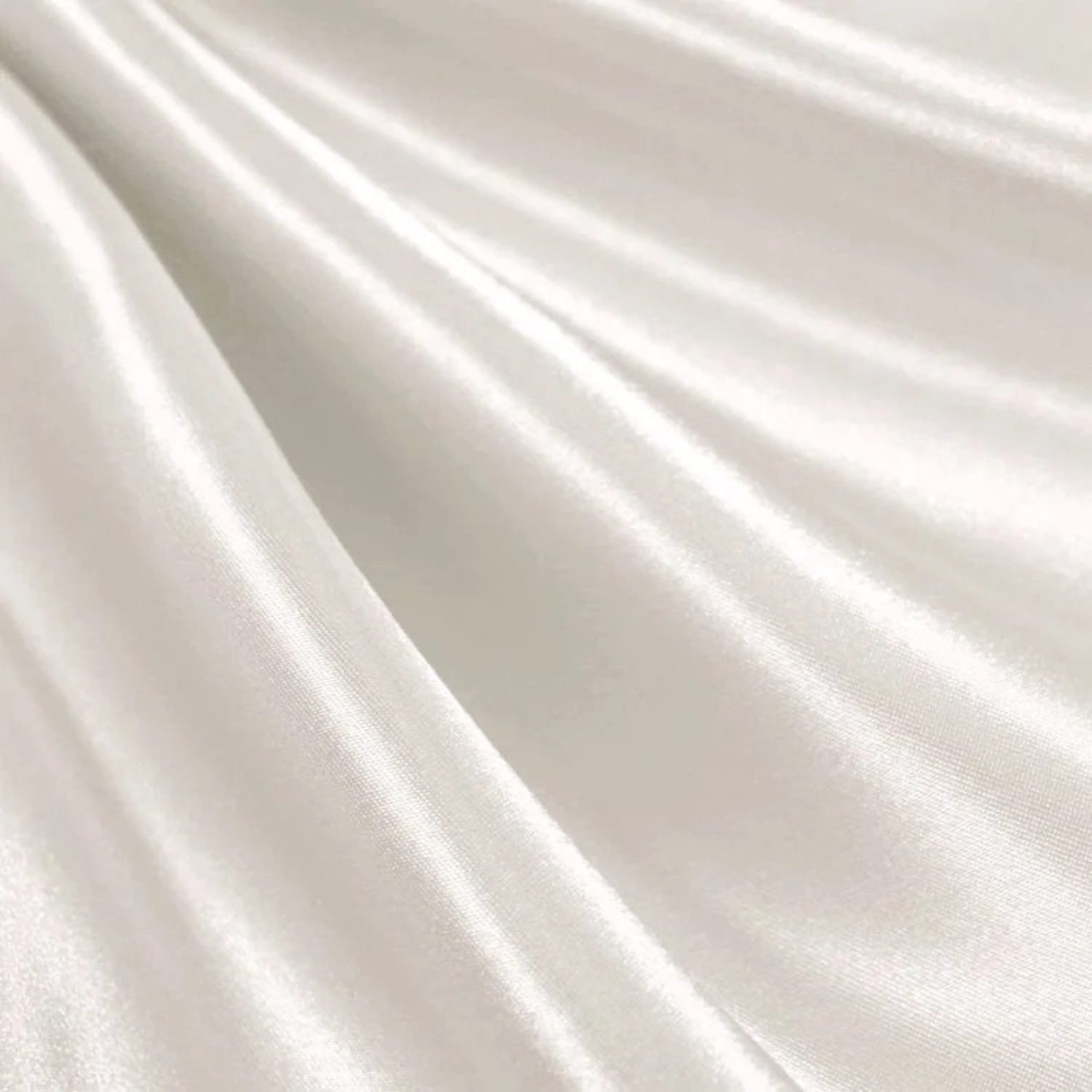
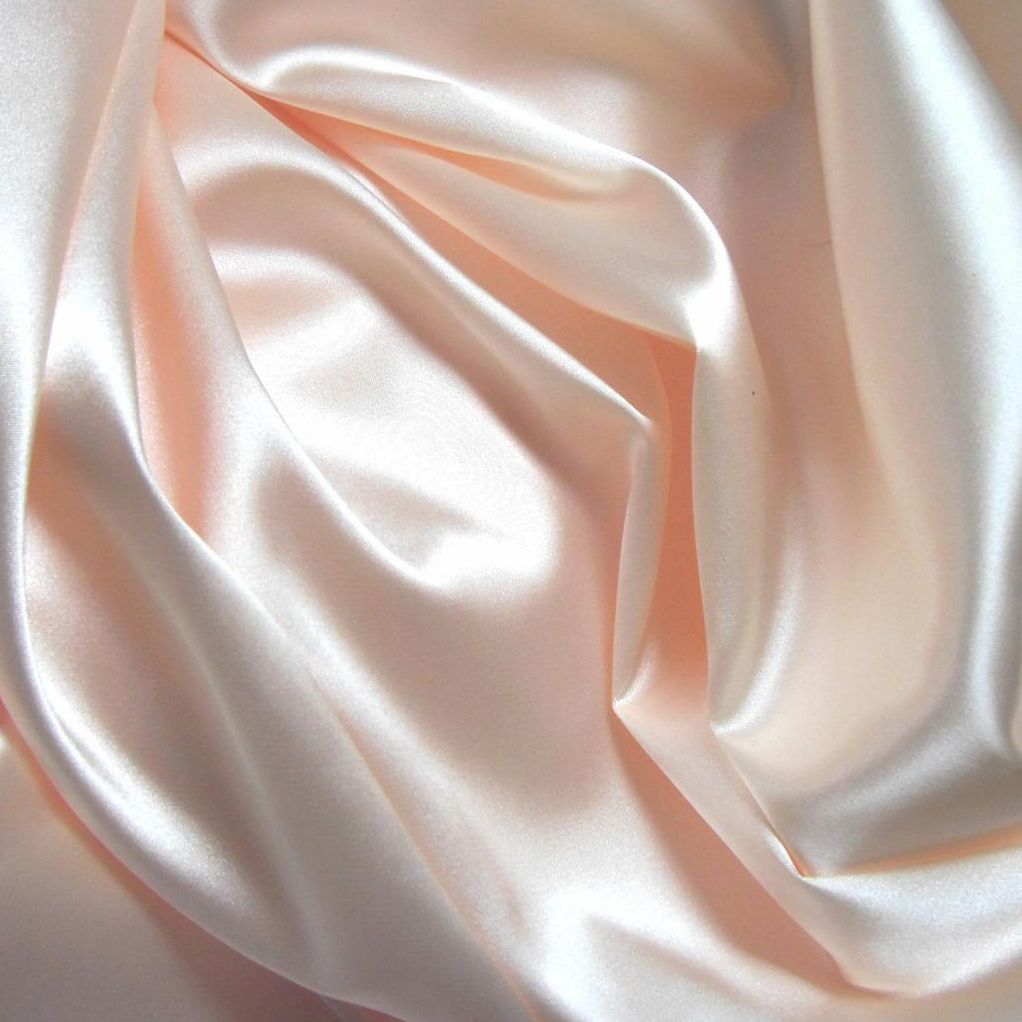
Satin Dress Fabric Types: Unveiling Their Luxurious Wonders
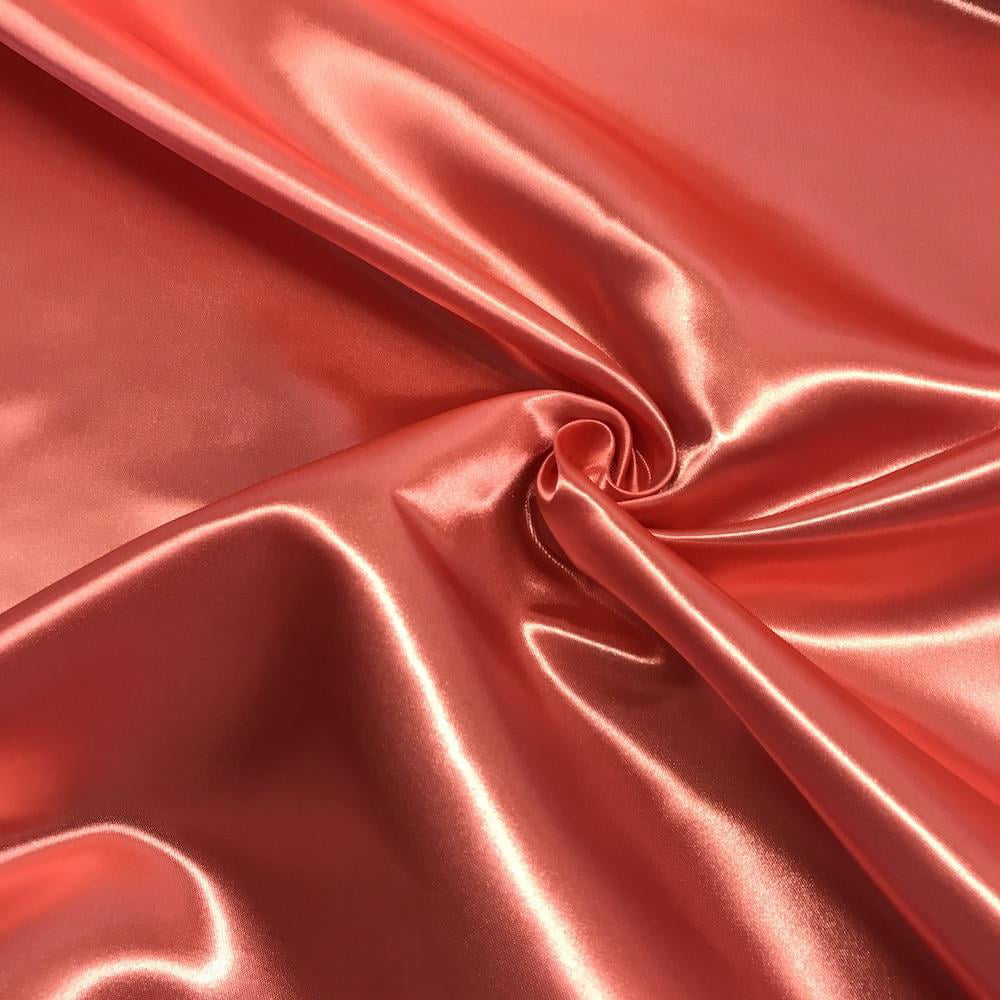
Are you ready to discover the enchanting world of satin dress fabric types? For centuries, satin has been synonymous with luxury, elegance, and a touch of irresistible glamour. From the red carpet to your most cherished special occasions, the smooth, lustrous sheen of satin has captivated hearts and adorned bodies with unparalleled grace. But did you know that "satin" isn’t just one fabric, but rather a weave that can be applied to a variety of fibers, each bestowing its own unique characteristics?
This comprehensive guide will delve deep into the diverse satin dress fabric types, exploring their origins, properties, and what makes each one perfect for your next dream dress. We’ll unravel the secrets behind their signature shine, understand their drape and feel, and help you make an informed choice for your next sartorial masterpiece. Get ready to be inspired!
The Magic of the Satin Weave: What Makes It Shine?
Before we explore the different types of satin, it’s crucial to understand what defines the satin weave itself. It’s not about the fiber content, but the construction of the fabric. The satin weave is characterized by its unique interlacing of threads, where one warp or weft thread floats over several weft or warp threads before being interwoven with the next. This creates a smooth, lustrous surface on one side of the fabric, while the other side typically has a duller finish. This "float" is the secret ingredient that allows light to bounce off the surface, creating that unmistakable satin gleam.
The beauty of the satin weave is its versatility. It can be applied to a range of fibers, from natural silks to synthetic polyesters, each lending a distinct personality to the final fabric. Understanding these variations is key to selecting the perfect satin dress fabric types for your desired look and feel.
Exploring the Spectrum of Satin Dress Fabric Types: A Luxurious Deep Dive
Let’s embark on a journey through the most popular and exquisite satin dress fabric types, uncovering their individual charms:
1. Silk Satin: The Epitome of Timeless Elegance
When you think of classic, high-end satin, silk satin is likely what comes to mind. Derived from the natural protein fiber produced by silkworms, silk satin boasts an unparalleled natural luster, a luxuriously soft hand, and a beautiful, fluid drape.
-
Key Characteristics:
- Exceptional Luster: Silk satin possesses a deep, iridescent sheen that catches the light exquisitely.
- Superior Drape: It flows beautifully, creating elegant silhouettes that are both sophisticated and sensual.
- Breathability and Comfort: Silk is a natural fiber that allows the skin to breathe, making it comfortable to wear even in warmer climates.
- Hypoallergenic: Its natural properties make it a good choice for those with sensitive skin.
- Durability: While delicate, high-quality silk satin can be surprisingly durable when cared for properly.
-
Best For: Bridal gowns, evening gowns, formal dresses, lingerie, and luxurious scarves. Its natural elegance makes it perfect for truly special occasions where you want to feel utterly radiant.
-
Considerations: Silk satin can be expensive and requires delicate care, often needing dry cleaning. It can also be prone to water spots.
2. Polyester Satin: The Accessible Allure of Shine
Polyester satin offers a more budget-friendly alternative to silk satin while still delivering a beautiful sheen and a good drape. Modern polyester satin has come a long way, often mimicking the look and feel of silk quite convincingly.
-
Key Characteristics:
- Affordable Luxury: Provides a stunning satin finish at a more accessible price point.
- Durability and Wrinkle Resistance: Polyester is known for its resilience, making these fabrics more resistant to wrinkles and easier to care for.
- Vibrant Color Options: Polyester fibers can be dyed in a vast array of brilliant and long-lasting colors.
- Good Drape: While not as fluid as silk, polyester satin generally drapes well, allowing for beautiful dress designs.
-
Best For: Prom dresses, bridesmaid dresses, party dresses, costumes, and everyday wear where a touch of glamour is desired. It’s a fantastic option for creating statement pieces without breaking the bank.
-
Considerations: Polyester satin can be less breathable than natural fibers and may feel warmer. It can also be prone to static cling.
3. Charmeuse Satin: The Queen of Fluidity
Charmeuse is a type of satin weave that is typically made from silk, polyester, or a blend of fibers. Its defining characteristic is its incredibly soft, fluid drape and a lustrous sheen on one side, with a duller finish on the back. The name "charmeuse" itself evokes a sense of enchantment and allure.
-
Key Characteristics:
- Unmatched Fluidity: Charmeuse drapes like liquid, creating incredibly flattering and sensual silhouettes.
- Silky Smooth Hand: It feels incredibly soft and luxurious against the skin.
- Subtle Luster: While still shiny, the luster of charmeuse is often softer and more subtle than some other satins.
- Lightweight: It’s a lighter-weight fabric, making it ideal for flowing dresses.
-
Best For: Slip dresses, bias-cut gowns, flowing evening wear, camisoles, and elegant scarves. It’s the go-to fabric for a sophisticated and effortlessly chic look.
-
Considerations: Charmeuse is delicate and can snag easily. It also requires careful handling and often dry cleaning.
4. Satin Crepe: The Sophisticated Matte Finish with a Hint of Shine
Satin crepe offers a fascinating duality, combining the smooth satin weave with the textured, slightly crinkled surface of crepe. This results in a fabric that has a subtle sheen rather than a high gloss, offering a more understated yet equally sophisticated elegance.
-
Key Characteristics:
- Subtle Luster: The satin weave provides a gentle sheen, while the crepe texture diffuses the light for a less reflective finish.
- Beautiful Drape: It drapes beautifully, offering a flattering and fluid silhouette.
- Comfortable Texture: The crepe texture adds a tactile interest and can feel comfortable against the skin.
- Wrinkle Resistance: The inherent texture of crepe often makes it more resistant to wrinkling than high-gloss satins.
-
Best For: Cocktail dresses, elegant separates, sophisticated daywear, and formal attire where a refined and understated glamour is desired. It’s a wonderful choice for bridging the gap between casual and formal.
-
Considerations: The textured surface means it might not have the same intense gleam as other satin types.
5. Duchesse Satin: The Regal Fabric of Structure and Shine
Duchesse satin is a heavier-weight satin that is known for its exquisite drape, firm body, and a lustrous sheen that speaks of pure luxury. Often made from silk or a silk/synthetic blend, it’s a fabric that holds its shape beautifully.
-
Key Characteristics:
- Rich Luster: Boasts a deep, lustrous sheen that is both sophisticated and opulent.
- Firm Body and Structure: Its weight and weave give it a beautiful structure, allowing for voluminous skirts and tailored designs.
- Luxurious Feel: It feels substantial and incredibly luxurious against the skin.
- Excellent for Architectural Designs: Its ability to hold shape makes it ideal for gowns with intricate pleating, ruffles, or structured bodices.
-
Best For: Ball gowns, wedding dresses, formal evening wear, and garments requiring a sense of grandeur and architectural elegance. It’s the fabric of choice for creating a truly regal presence.
-
Considerations: Due to its weight, it might not be the most comfortable option for very hot weather or for dresses requiring extreme fluidity. It can also be more expensive.
6. Satin Back Crepe: The Versatile Two-Sided Wonder
Satin back crepe is a fabric that cleverly combines the best of both worlds. One side features a smooth, lustrous satin finish, while the other side has the textured, matte appearance of crepe. This duality offers incredible versatility in design.
-
Key Characteristics:
- Dual Functionality: The ability to use either the satin or crepe side opens up a world of creative possibilities.
- Balanced Drape: Offers a good drape, allowing for elegant movement.
- Subtle Elegance: The satin side provides a refined sheen, while the crepe side offers a more understated finish.
- Good Wrinkle Resistance: The crepe side can help to minimize the appearance of wrinkles.
-
Best For: Dresses where you want to play with contrasting textures or finishes, elegant blouses, skirts, and linings. It’s perfect for designs that require subtle sophistication and adaptability.
-
Considerations: The satin side Absolutely heres an seo optimized article about fashion modeling near you designed to be engaging informative and helpful for aspiring models is more prone to snagging than the crepe side.
7. Bridal Satin: Specifically Crafted for Wedding Day Dreams
While not a distinct fiber type, "bridal satin" is a term often used to describe satins specifically designed for wedding gowns. These are typically high-quality satins, often made from silk, polyester, or blends, that offer excellent drape, a beautiful sheen, and a luxurious feel suitable for such a momentous occasion. They are chosen for their ability to photograph well and create a truly magical bridal silhouette.
-
Key Characteristics: Usually refers to high-quality silk, polyester, or blended satins chosen for their optimal sheen, drape, and feel for wedding dresses.
-
Best For: Wedding dresses, veils, and bridal accessories.
-
Considerations: The specific characteristics will vary depending on the underlying fiber and weave.
Choosing the Perfect Satin Dress Fabric Types: Factors to Consider
When embarking on your satin dress journey, consider these essential factors to ensure you select the perfect satin dress fabric types for your needs:
- Occasion: Is it a casual brunch, a formal gala, or a wedding? The formality of the event will dictate the type of satin that is most appropriate.
- Desired Drape and Silhouette: Do you envision a flowing, ethereal gown or a structured, elegant silhouette? The weight and weave of the satin will significantly impact the final look.
- Comfort and Breathability: For warmer climates or all-day wear, natural fibers like silk or breathable blends are often preferred.
- Care and Maintenance: Are you prepared for the delicate care required for silk, or do you prefer the easier maintenance of polyester?
- Budget: Satin prices can vary significantly. Polyester satins offer a more accessible option for achieving a luxurious look.
- Color and Finish: Consider the depth of color and the intensity of the sheen you desire.
Caring for Your Satin Treasures: Ensuring Longevity and Radiance
Proper care is essential to maintain the beauty and longevity of your satin garments. Always check the care label for specific instructions. However, here are some general tips:
- Silk Satin: Often requires dry cleaning. Hand washing in cool water with a mild detergent can be an option for some silks, but always test a small, inconspicuous area first. Avoid wringing or twisting.
- Polyester Satin: Generally machine washable on a delicate cycle with cold water. Air dry or tumble dry on low heat.
- General Tips:
- Avoid harsh chemicals and bleach.
- Iron on a low setting with a pressing cloth to protect the sheen.
- Store garments properly to avoid snagging or creasing. Hang delicate items on padded hangers.
Frequently Asked Questions About Satin Dress Fabric Types
Q1: What is the most luxurious satin dress fabric type?
A1: Silk satin is widely considered the most luxurious due to its natural luster, exceptional drape, and soft hand.
Q2: Which satin dress fabric type is best for a formal evening gown?
A2: Duchesse satin is an excellent choice for formal evening gowns due to its substantial weight, structure, and opulent sheen. Silk satin and high-quality polyester satins also work beautifully.
Q3: Can I wear satin dresses in the summer?
A3: Lighter-weight satins like charmeuse made from natural fibers can be comfortable in summer. Polyester satins may feel warmer. Look for breathable blends for warmer weather.
Q4: Is satin difficult to sew with?
A4: Satin can be a bit challenging due to its slippery nature. Using a walking foot, sharp needles, and pins that won’t leave marks are helpful tips for sewing with satin.
Q5: What’s the difference between satin and charmeuse?
A5: Satin refers to the weave, while charmeuse is a specific type of satin weave characterized by its extreme fluidity, soft hand, and lustrous sheen on one side.
Conclusion: Embrace the Allure of Satin
From the timeless elegance of silk to the accessible glamour of polyester, the world of satin dress fabric types offers a dazzling array of choices for every style and occasion. Understanding the nuances of each fabric will empower you to select the perfect material to bring your dream dress to life. Whether you’re designing a show-stopping gown or seeking a touch of everyday luxury, satin promises to add an undeniable element of sophistication and enchantment to your wardrobe.
What is your favorite satin dress fabric type and why? Share your thoughts in the comments below! We’d love to hear about your satin experiences and see your stunning creations!