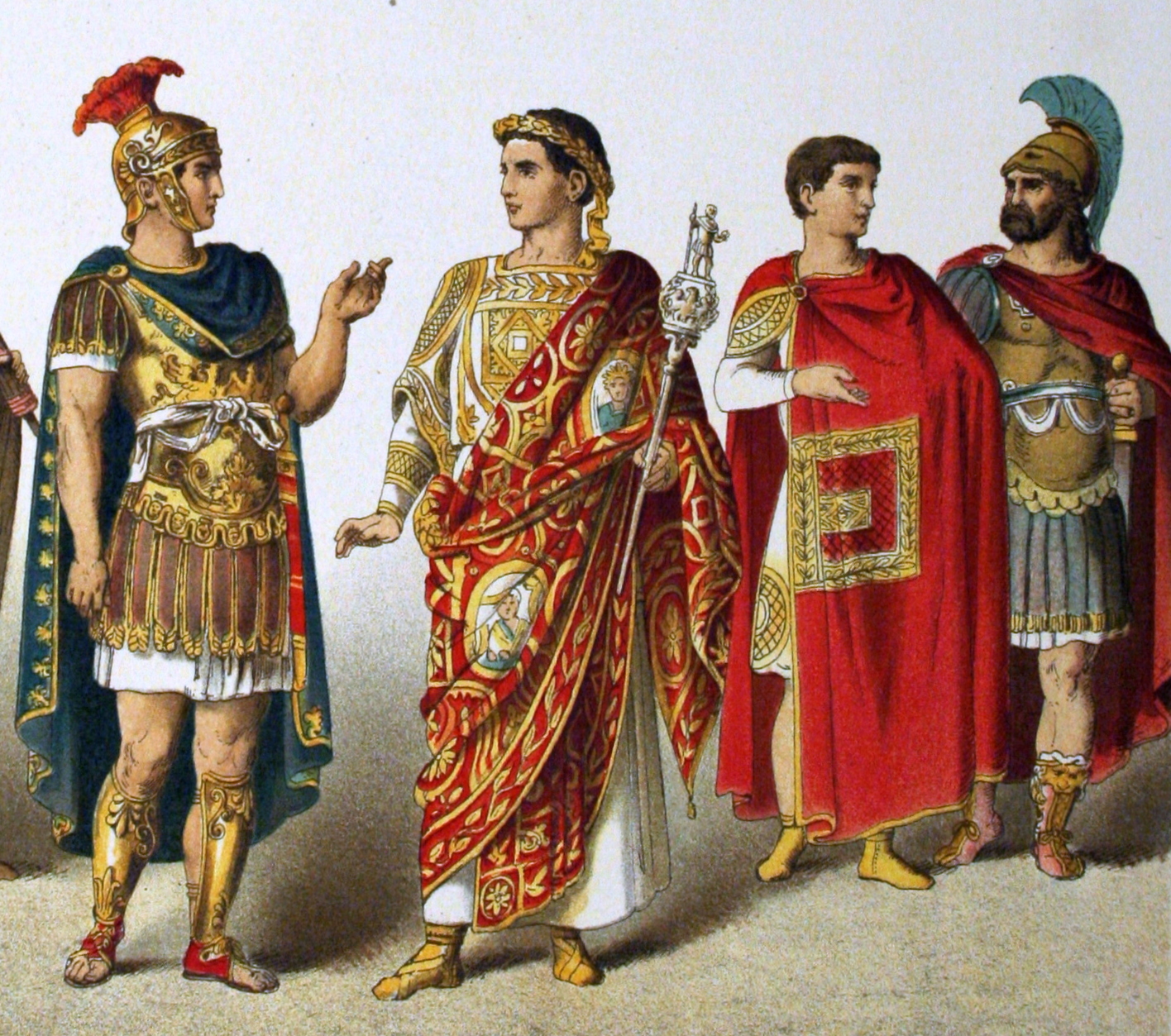
Roman Ladies Dresses for Women: Unveiling Timeless Elegance

Step back in time and immerse yourself in the opulent world of ancient Rome, where fashion was a powerful statement of status, identity, and beauty. Today, we’re diving deep into the captivating realm of Roman ladies dresses for women, exploring their evolution, enduring appeal, and how their essence continues to inspire contemporary fashion. Prepare to be amazed by the sheer sophistication and remarkable versatility of these iconic garments!
The Majestic Stola: A Symbol of Roman Womanhood
At the heart of Roman women’s attire, particularly for married women and those of respectable standing, was the stola. This wasn’t just a dress; it was a profound symbol of a woman’s place in society, signifying her virtue, dignity, and eligibility for marriage. Imagine a long, flowing garment, often reaching the floor, worn over an underdress called a tunica intima. The stola was typically made from fine wool or linen, sometimes embellished with intricate embroidery or vibrant dyes, reflecting the wearer’s wealth and social standing.
Variations and Significance of the Stola
The beauty of the stola lay in its adaptability. While the basic structure remained consistent, variations in fabric, color, and embellishments allowed for individual expression.
Fabric Choices: From Everyday Wool to Luxurious Silk
- Wool: The most common fabric, wool offered warmth and durability, making it suitable for everyday wear. Different grades of wool, from coarse to fine, indicated social status.
- Linen: Lighter and more breathable than wool, linen was a popular choice for warmer climates and for those who desired a smoother drape.
- Silk: Imported from the East, silk was the ultimate luxury fabric, reserved for the wealthiest and most influential women. Silk stolae shimmered with an unparalleled radiance, a true testament to opulent living.
Dyes and Their Meanings: A Spectrum of Status
The colors of a Roman lady’s dress held significant meaning.
- White and Earth Tones: Often associated with modesty and simplicity, these colors were common for everyday wear.
- Vibrant Hues: Purple, Crimson, and Saffron: These were the colors of royalty and the elite. Tyrian purple, derived from a rare sea snail, was particularly prized and incredibly expensive, signifying immense power and prestige. Crimson, a deep red, also conveyed status and authority. Saffron, a bright yellow-orange, was another luxurious dye.
- Blues and Greens: While less common than reds and purples, these colors could also be found, often derived from plant-based dyes.
The Art of Wearing the Stola: Drape and Decoration
The stola was typically worn in one of two main ways:
- The Simple Drape: This involved draping the fabric over the shoulders, often secured with brooches or pins. The natural flow of the material created an elegant silhouette.
- The Girdled Stola: A belt or sash, known as a zona, was often worn around the waist, cinching the stola and creating a more defined shape. This also allowed for decorative embellishments on the girdle itself.
The instita, a decorative border or hem, was a crucial element of the stola, further distinguishing it from simpler tunics and reinforcing its status as formal wear.
Beyond the Stola: Other Roman Garments for Women
While the stola was paramount for married women, other garments played significant roles in a Roman lady’s wardrobe.
The Tunica: The Foundation of Roman Dress
The tunica was the basic undergarment for both men and women. For women, it was a simpler, often knee-length or calf-length garment worn beneath the stola. However, for younger girls, slaves, and women of lower social classes, the tunica could be the primary outer garment.
Tunica Variations:
- Tunica Intima: The innermost layer, often made of soft linen or fine wool.
- Outer Tunica: Worn as outerwear, this could be made from various fabrics and embellished to varying degrees. Some outer tunica could be quite elaborate, featuring decorative bands (clavi) or embroidery.
The Palla: The Elegant Outer Cloak
The palla was a large rectangular piece of fabric, similar to a shawl or a Dress material shops near me online your ultimate festive fabric guide toga, worn by Roman women outdoors. It provided warmth and modesty, and its draping could be quite artistic.
Draping the Palla: A Masterclass in Style
The palla could be draped in numerous ways:
- Over the Shoulders: The simplest and most common method, offering a graceful sweep.
- Wrapped Around the Body: Providing more coverage and a sense of enclosure.
- Draped Over the Head: For modesty or protection from the elements, the palla could be pulled over the head like a veil.
The palla was often made from wool or linen and could be dyed in rich colors, mirroring the hues of the stola. It was an essential accessory for any Roman lady venturing out, adding a final touch of sophistication to her ensemble.
Roman Ladies Dresses for Women: Materials, Craftsmanship, and Enduring Appeal
The creation of Roman ladies dresses for women was a testament to the skill of ancient artisans. From the cultivation of flax and sheep to the intricate weaving and dyeing processes, every step contributed to the final garment’s beauty and quality.
The Importance of Textiles and Weaving
Textiles were a vital part of the Roman economy. The weaving process, often done by hand, involved skilled artisans who could create different textures and patterns. Looms were common in Roman households, and professional weavers also existed. The quality of the weave, the fineness of the threads, and the complexity of the patterns all contributed to the perceived value and status of a dress.
Dyeing Techniques: A Burst of Color
The Romans were masters of dyeing. They utilized a wide array of natural sources for their pigments:
- Plants: Madder for reds, woad for blues, saffron for yellows, and weld for greens.
- Insects: Kermes for crimsons.
- Minerals: Ochre for earthy tones.
- Mollusks: The famed Tyrian purple, extracted from the Murex snail, was incredibly labor-intensive to produce, making it the most exclusive and expensive dye.
Embellishments and Decoration: Adding Personal Flair
Beyond the fabric and dye, Roman ladies dresses for women were often enhanced with decorative elements:
- Embroidery: Intricate stitching with silk or metallic threads could adorn hemlines, necklines, and cuffs.
- Appliqué: Pieces of fabric or other materials sewn onto the garment.
- Jewelry: Brooches (fibulae) were not just functional for fastening garments but also served as decorative elements, often made of gold, silver, bronze, and adorned with gemstones.
The Profound Influence of Roman Ladies Dresses for Women on Modern Fashion
It’s remarkable how the principles of Roman dress continue to echo in the world of contemporary fashion. The emphasis on elegant draping, the use of flowing fabrics, and the appreciation for rich colors and subtle embellishments are all elements that find their roots in ancient Roman attire.
Timeless Silhouettes and Draping Techniques
The flowing lines of the stola and the graceful way the palla was draped have inspired designers for centuries. Think of the elegant empire waistlines, the bias cuts that create beautiful movement, and the caftans and maxi dresses that evoke a sense of effortless sophistication. These modern garments often share the same spirit of unadorned beauty and comfortable elegance that characterized Roman women’s dresses.
The Enduring Appeal of Rich Colors and Textures
The Roman fascination with vibrant dyes and luxurious fabrics resonates today. Designers continue to explore bold color palettes and experiment with rich textures like silk, velvet, and fine wool, drawing parallels to the opulent wardrobes of Roman nobility. The desire to express oneself through color and material remains a powerful force in fashion.
The Modern Interpretation: From Historical Reenactment to Runway
Today, you can find Roman-inspired dresses in various forms:
- Historical Reenactment and Cosplay: Enthusiasts meticulously recreate authentic Roman attire, from the stola to the palla, for events and festivals.
- Theatrical and Film Costumes: Productions set in ancient Rome often feature stunning recreations of Roman ladies dresses, bringing history to life.
- Designer Collections: Fashion runways occasionally feature collections that draw direct inspiration from classical Roman aesthetics, showcasing updated interpretations of ancient silhouettes and embellishments.
- Everyday Wear: Certain styles of dresses, like flowing maxi dresses, wrap dresses, and garments with simple, elegant draping, carry the DNA of Roman ladies dresses for women, offering a touch of ancient grace to our modern wardrobes.
Fascinating Facts About Roman Ladies Dresses for Women
- Social Stratification: The type of fabric, color, and embellishments on a Roman woman’s dress were clear indicators of her social status. A simple wool tunic for a commoner contrasted sharply with a silk stola adorned with Tyrian purple for an empress.
- The Symbolism of Hair: A woman’s hairstyle often complemented her dress. Elaborate updos were common, often secured with pins and adorned with jewelry, further enhancing the overall look.
- Footwear: Roman women wore various types of sandals and shoes, often made of leather, which would have been chosen to complement their attire.
- Undergarments: Beyond the tunica intima, some Roman women may have worn rudimentary forms of undergarments for support and shaping.
Roman Ladies Dresses for Women: A Legacy of Elegance
In conclusion, the world of Roman ladies dresses for women is a treasure trove of timeless elegance and sophisticated design. From the symbolic stola to the versatile tunica and the graceful palla, these garments offer a fascinating glimpse into the lives and aesthetics of ancient Roman women. Their enduring appeal lies in their emphasis on flowing lines, rich colors, and the subtle power of well-crafted attire. Whether you’re a history buff, a fashion enthusiast, or simply someone who appreciates beauty, exploring Roman ladies dresses for women is a journey that will undoubtedly inspire and delight.
We hope this exploration has ignited your imagination and provided a deeper appreciation for the sartorial legacy of ancient Rome. Do you have a favorite aspect of Roman fashion, or perhaps a modern dress that reminds you of this era? Share your thoughts in the comments below – we’d love to hear from you!
Frequently Asked Questions About Roman Ladies Dresses for Women
Q1: What was the primary dress worn by Roman women?
A1: The primary dress worn by respectable married Roman women was the stola, a long, flowing garment worn over an underdress called a tunica intima.
Q2: What materials were commonly used for Roman ladies dresses for women?
A2: Common materials included wool, linen, and for the wealthy, silk.
Q3: Did Roman women wear different dresses for different occasions?
A3: Yes, while the stola was a formal garment, simpler tunics were worn for everyday activities, and the palla was used as an outer wrap for going outdoors. The richness of fabric, color, and embellishments also indicated the occasion and the wearer’s status.
Q4: Was color important in Roman ladies dresses for women?
A4: Absolutely. Colors held significant social meaning. Vibrant dyes like purple and crimson were associated with wealth and status, while more subdued colors were common for everyday wear.
Q5: How did Roman ladies dresses for women influence modern fashion?
A5: The flowing silhouettes, elegant draping techniques, and appreciation for rich colors and textures found in Roman dresses continue to inspire contemporary fashion, evident in styles like maxi dresses, empire waistlines, and garments with graceful movement.
/the-roman-coliseum-in-the-early-morning-655490208-5a750519875db90037324138.jpg "Roman Ladies Dresses for Women: Unveiling Timeless Elegance")