Japanese Fashion Styles Wiki: A Dazzling Exploration of Global Influence

Welcome, fashion enthusiasts, to an exhilarating dive into the vibrant and endlessly inspiring world of Japanese fashion styles wiki! Prepare to be captivated by a kaleidoscope of aesthetics that have not only shaped sartorial landscapes within Japan but have also become powerful global influencers. From the whimsical to the avant-garde, the traditional to the cutting-edge, Japanese fashion is a testament to creativity, individuality, and a unique blend of heritage and futurism. This comprehensive exploration will unveil the most iconic styles, their origins, key characteristics, and why they continue to fascinate us.
The Unparalleled Charm of Japanese Fashion: A Deep Dive
Japan’s fashion scene is far from monolithic; it’s a dynamic ecosystem where diverse subcultures and traditional arts coexist and often intertwine. The influence of Japanese fashion styles is undeniable, shaping everything from streetwear trends to haute couture runways. Let’s embark on a journey to understand the essence of this remarkable phenomenon.
Harajuku: The Epicenter of Japanese Street Style
No discussion of Japanese fashion is complete without a deep dive into Harajuku, the legendary district in Tokyo that serves as the beating heart of street style innovation.
Lolita Fashion: Sweetness and Sophistication
- Gothic Lolita: Characterized by dark colors (black, deep red, navy), lace, ribbons, and Victorian-inspired silhouettes. Think elegant dresses, corsets, and often, a touch of gothic drama. The aim is to evoke a doll-like, mysterious, and refined beauty.
- Sweet Lolita: Embraces pastel colors, playful prints (strawberries, cakes, bunnies), frills, and bows. The aesthetic is overtly feminine, innocent, and reminiscent of fairy tales and confectionery.
- Classic Lolita: A more mature and understated version, often featuring muted colors, floral prints, and elegant, less ornate designs. It leans towards a more traditional, vintage elegance.
- Punk Lolita: A fusion of Lolita elements with punk aesthetics, incorporating tartan, studs, safety pins, and a more rebellious attitude while maintaining the core Lolita silhouette.
LSI Keywords: Lolita fashion history, Lolita subgenres, Harajuku street style, Japanese kawaii culture.
Decora Fashion: A Riot of Color and Accessories
Decora fashion is a bold and joyful expression of maximalism. It’s about layering as many colorful accessories as humanly possible onto an outfit. Think neon colors, plastic toys, stickers, mismatched socks, and an abundance of bracelets, necklaces, and hair clips. The more, the merrier is the mantra of Decora.
LSI Keywords: Decora fashion style, kawaii accessories, maximalist fashion, Tokyo street style.
Visual Kei: Theatricality and Androgyny
Visual Kei (or V-kei) is a movement deeply rooted in the Japanese music scene, particularly rock and metal. Its fashion is highly theatrical, often featuring elaborate costumes, heavy makeup, dramatic hairstyles (often dyed vibrant colors and styled elaborately), and a strong emphasis on androgyny. Styles can range from gothic and punk to glamorous and futuristic.
LSI Keywords: Visual Kei music, Japanese rock fashion, androgynous style, J-rock fashion.
Gyaru Fashion: Boldness and Rebellion
Gyaru fashion, originating in the late 1970s and exploding in the 1990s, is all about embracing a tanned complexion, bleached or dyed hair (often blonde or vibrant colors), dramatic makeup (especially around the eyes), and flashy, often revealing clothing. It’s a style that exudes confidence and a playful defiance of conventional beauty standards.
LSI Keywords: Gyaru subculture, Japanese tanning culture, 90s Japanese fashion, bold makeup trends.
Beyond Harajuku: Exploring Other Significant Japanese Fashion Styles
While Harajuku is the most famous hub, Japanese fashion styles wiki extends far beyond its bustling streets.
Mori Kei: The Enchantment of the Forest
Mori Kei, meaning "forest style," is a celebration of nature and a rejection of modern, artificial aesthetics. It’s characterized by loose-fitting, layered clothing in earthy tones like browns, greens, and creams. Think knitted sweaters, long skirts, vintage-inspired blouses, and natural fabrics like cotton and linen. Accessories often include wooden beads, leaf motifs, and small animal charms, evoking a sense of being a woodland dweller.
LSI Keywords: Mori Kei fashion, natural fashion style, bohemian Japanese fashion, earthy tones clothing.
Wabi-Sabi Inspired Fashion: The Beauty of Imperfection
Wabi-sabi, a Japanese philosophy that embraces transience and imperfection, has a profound impact on fashion. This aesthetic favors natural materials, muted colors, asymmetrical designs, and a focus on texture. Garments often have a lived-in feel, with subtle flaws being celebrated rather than hidden. It’s about understated elegance and a connection to the natural world.
LSI Keywords: Wabi-sabi philosophy, minimalist Japanese fashion, natural fabric clothing, imperfect beauty.
Kimono and Yukata: The Enduring Elegance of Tradition
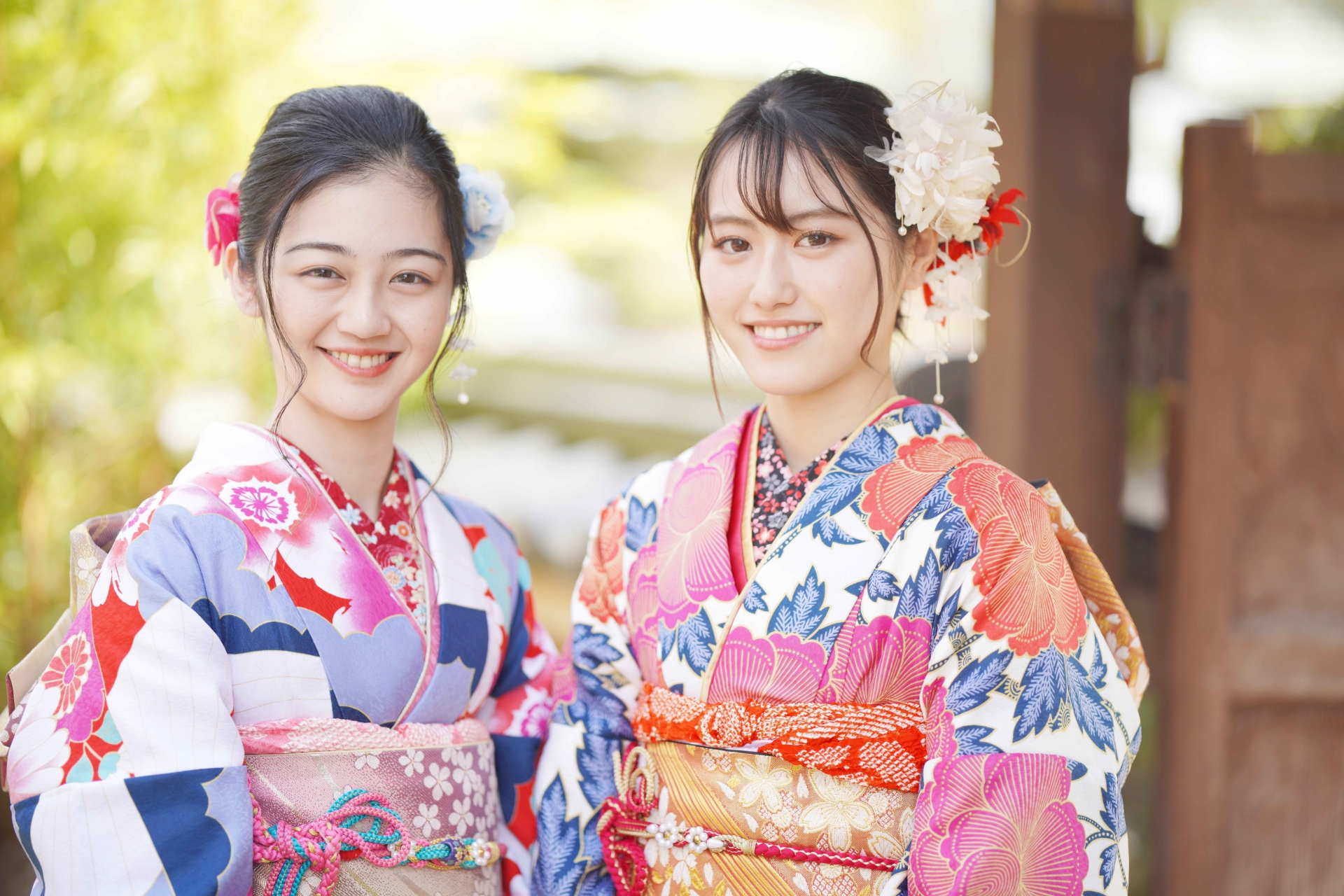
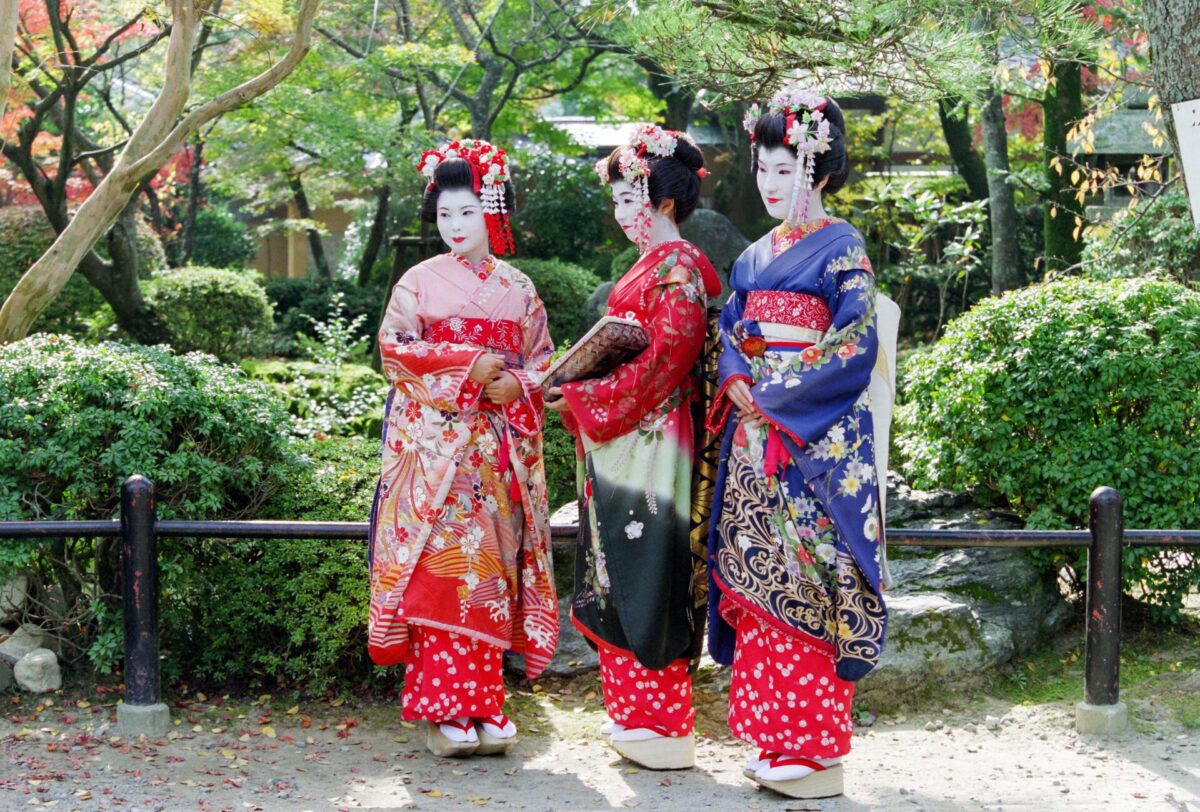
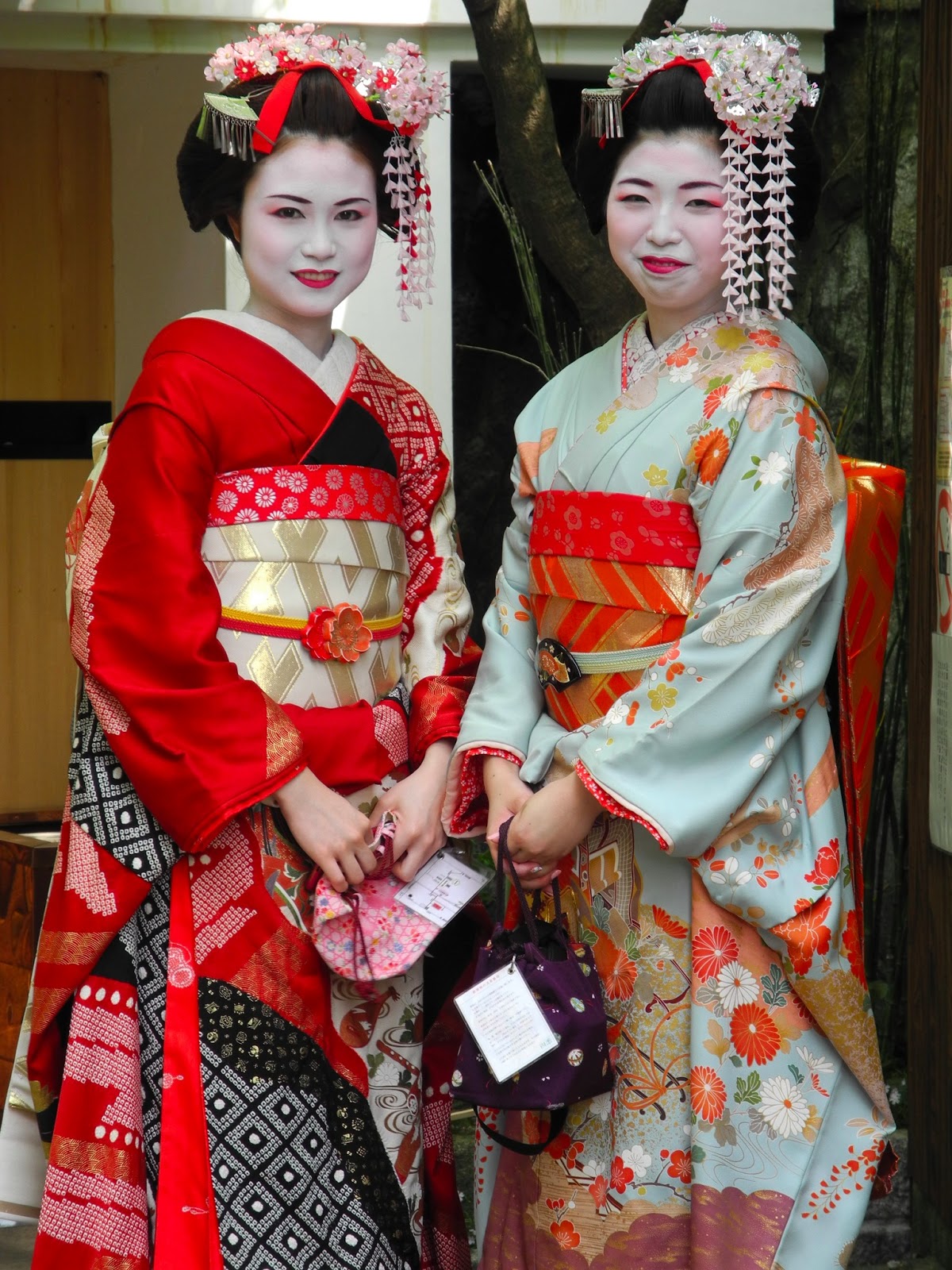
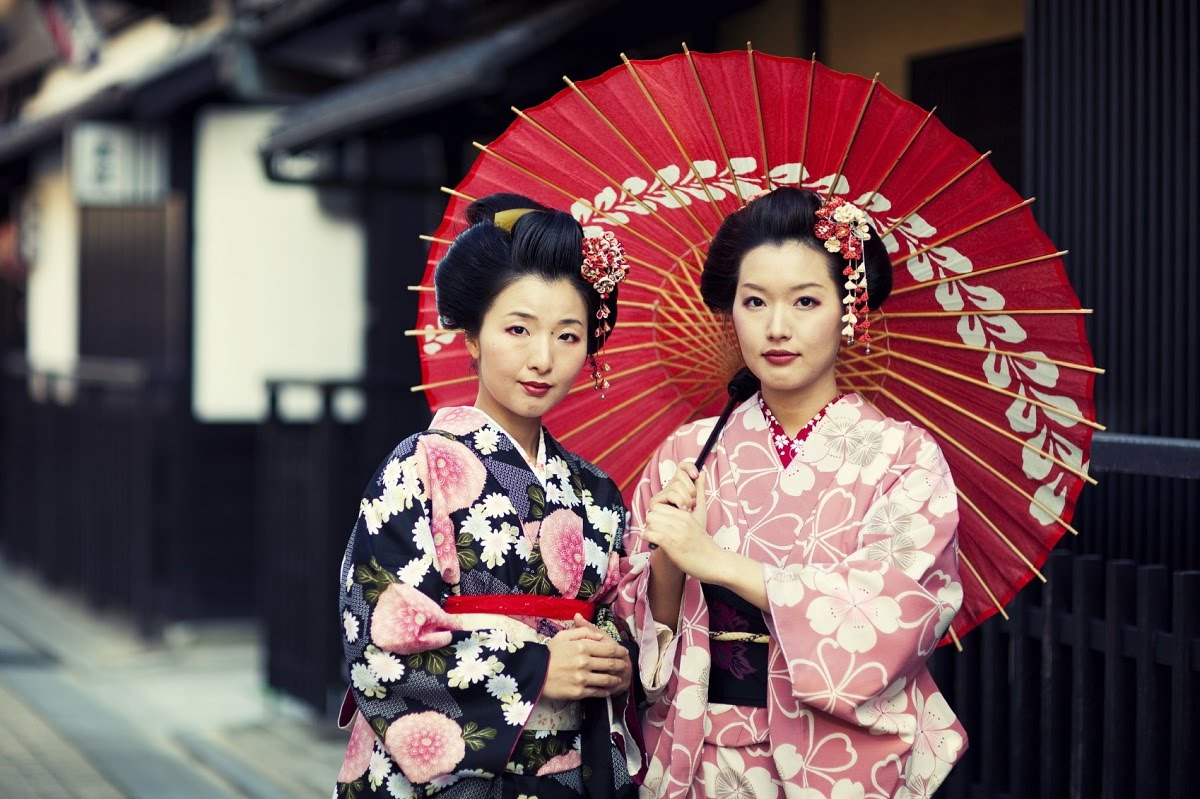
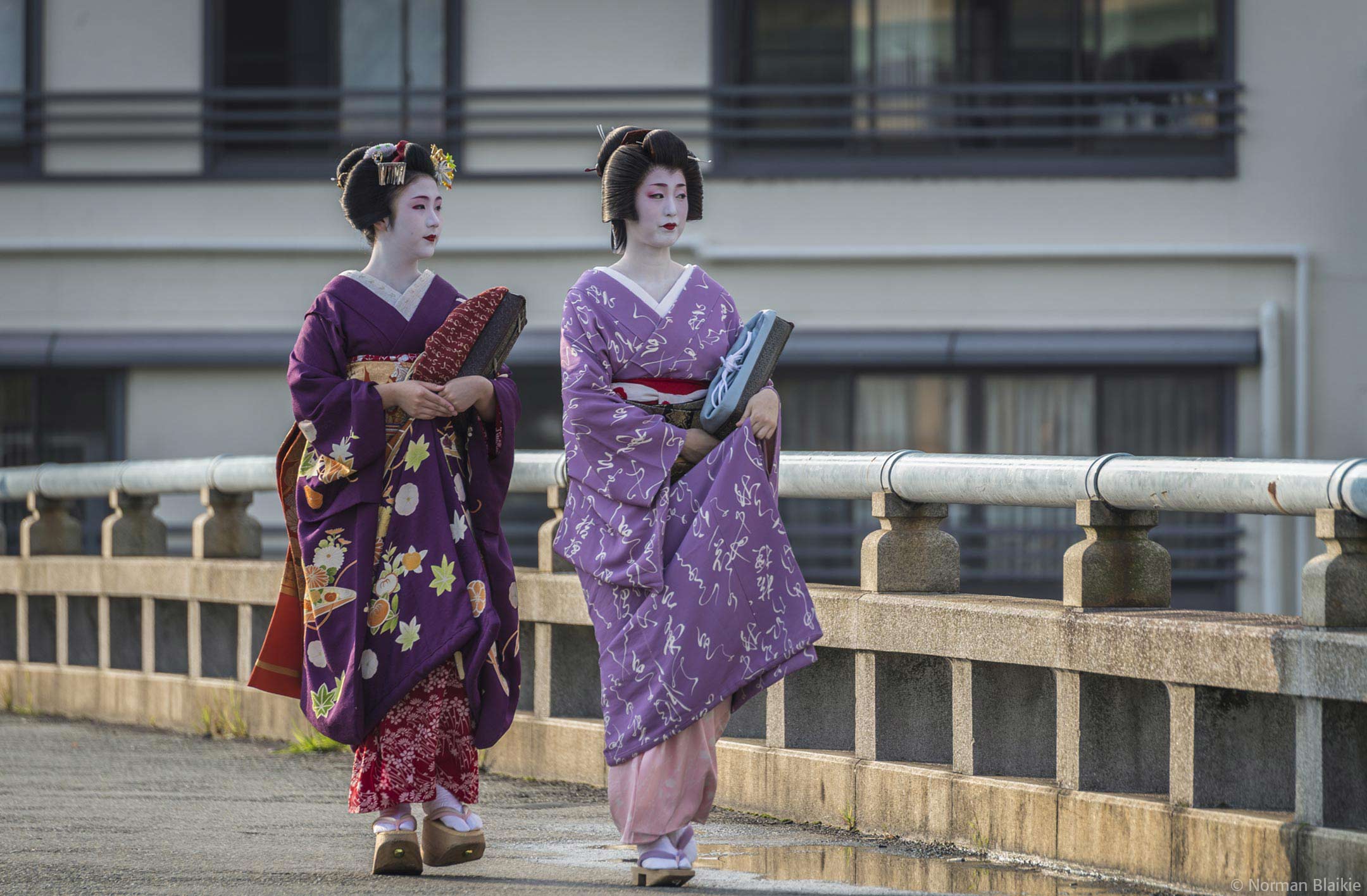
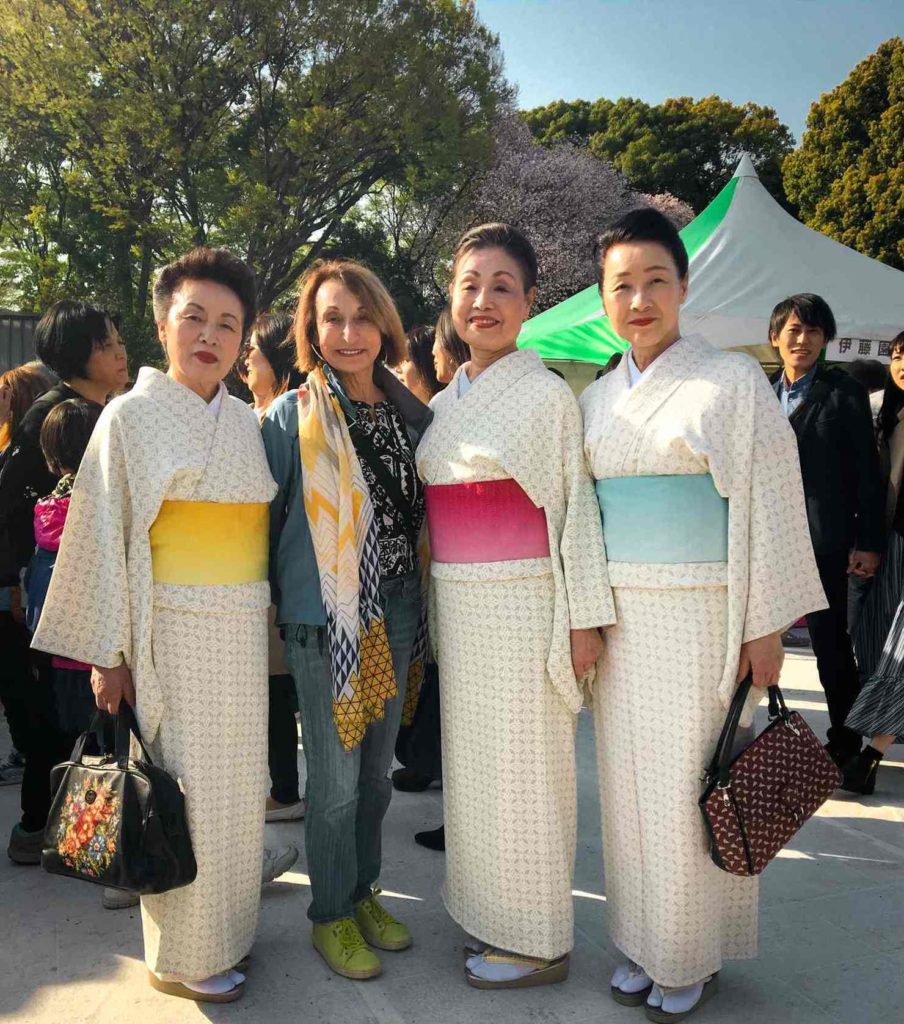
The kimono and its more casual cousin, the yukata, are timeless symbols of Japanese culture. While not daily wear for most, they remain incredibly important for special occasions like weddings, festivals, and tea ceremonies. Their intricate patterns, luxurious fabrics, and elegant silhouettes represent a deep respect for heritage and craftsmanship. Modern interpretations and adaptations of kimono designs can also be seen in contemporary fashion.
LSI Keywords: Kimono dressing, Yukata style, Japanese traditional clothing, obi sash.
Streetwear and Anime/Manga Influence: Modern Global Powerhouses
Japanese streetwear is a global phenomenon, heavily influenced by iconic anime and manga. Think bold graphics, oversized silhouettes, functional designs, and a fusion of athletic wear with avant-garde elements. Brands like BAPE (A Bathing Ape), Comme des Garçons, and Yohji Yamamoto have not only defined Japanese streetwear but have also left an indelible mark on global fashion. The influence of anime and manga is evident in graphic tees, character-inspired designs, and a playful, often whimsical approach to clothing.
LSI Keywords: Japanese streetwear brands, anime fashion, manga inspired clothing, Tokyo streetwear culture.
The Underlying Philosophy: What Makes Japanese Fashion Styles Wiki So Unique?
Several key elements contribute to the distinctive allure of Japanese fashion:
- Individuality and Self-Expression: Japanese fashion, particularly its street styles, places a tremendous emphasis on personal expression and the freedom to be oneself, no matter how unconventional.
- Attention to Detail: From the stitching of a garment to the intricate layering of accessories, Japanese fashion showcases an unparalleled commitment to detail and craftsmanship.
- Fusion of Tradition and Modernity: A remarkable ability to draw inspiration from ancient traditions while simultaneously embracing cutting-edge technology and futuristic concepts.
- "Kawaii" Culture: The pervasive influence of "kawaii" (cute) culture permeates many Japanese fashion styles, bringing a sense of joy, innocence, and playfulness.
- Subcultural Diversity: The existence and flourishing of numerous distinct subcultures, each with its own unique aesthetic and code of dress, create a rich tapestry of fashion.
The Global Impact: A Transformative Force
The influence of Japanese fashion styles wiki cannot be overstated. Designers from around the world consistently draw inspiration from Japanese aesthetics, silhouettes, and philosophies. The avant-garde designers of the 1980s, like Issey Miyake, Rei Kawakubo (Comme des Garçons), and Yohji Yamamoto, revolutionized Western fashion with their deconstructed, asymmetrical, and often monochrome designs. Today, Japanese streetwear is a dominant force, shaping trends in cities worldwide. The meticulous craftsmanship, innovative designs, and bold self-expression originating from Japan continue to inspire and captivate.
Embracing Your Inner Japanese Fashionista
Whether you’re drawn Cute perfume car decor elevate your drive with blissful scents to the sweet innocence of Sweet Lolita, the bold rebellion of Gyaru, the serene elegance of Mori Kei, or the edgy streetwear of Tokyo, there’s a Japanese fashion style waiting to be explored. Don’t be afraid to experiment, mix and match, and let your personality shine through. The world of Japanese fashion is an invitation to play, to create, and to celebrate the beautiful diversity of human expression.
Frequently Asked Questions about Japanese Fashion Styles Wiki
Q1: Is Japanese fashion only about Lolita and anime styles?
A1: Absolutely not! While Lolita and anime-inspired styles are popular and visible, Japanese fashion encompasses a vast range of aesthetics, including traditional wear like kimonos, minimalist styles, avant-garde designs, and diverse street subcultures.
Q2: Where can I find authentic Japanese fashion items?
A2: You can find authentic items through Japanese online retailers, specialty boutiques that import Japanese brands, and sometimes through second-hand platforms. For street styles, many brands are now accessible globally through their official websites or international retailers.
Q3: Is it difficult to incorporate Japanese fashion styles into my everyday wardrobe?
A3: Not at all! You can start by incorporating elements. For example, a flowy blouse with subtle floral prints can evoke Mori Kei, or a graphic tee with a unique design can reflect streetwear influences. It’s about adapting and finding what resonates with you.
Q4: What is the significance of "kawaii" in Japanese fashion?
A4: "Kawaii" (cute) is a significant cultural concept in Japan that heavily influences many fashion styles. It emphasizes playfulness, innocence, and a visually appealing aesthetic, often seen in colors, motifs, and overall presentation.
Q5: How has Japanese fashion influenced Western fashion?
A5: Japanese fashion has had a profound influence, particularly through the avant-garde designers of the 1980s who introduced deconstruction and asymmetry. Today, Japanese streetwear and its unique aesthetics continue to shape global trends.
Conclusion: A World of Endless Inspiration Awaits!
The Japanese fashion styles wiki offers a boundless source of creativity and self-discovery. It’s a testament to the power of individuality, the beauty of detail, and the fascinating interplay between tradition and innovation. We hope this exploration has ignited your passion and encouraged you to delve deeper into this captivating world. Which Japanese fashion style captivated you the most? Share your thoughts and discoveries in the comments below – let’s celebrate the vibrant tapestry of Japanese fashion together!