Fashion Model Images: Inspiring, Empowering, and Always Evolving
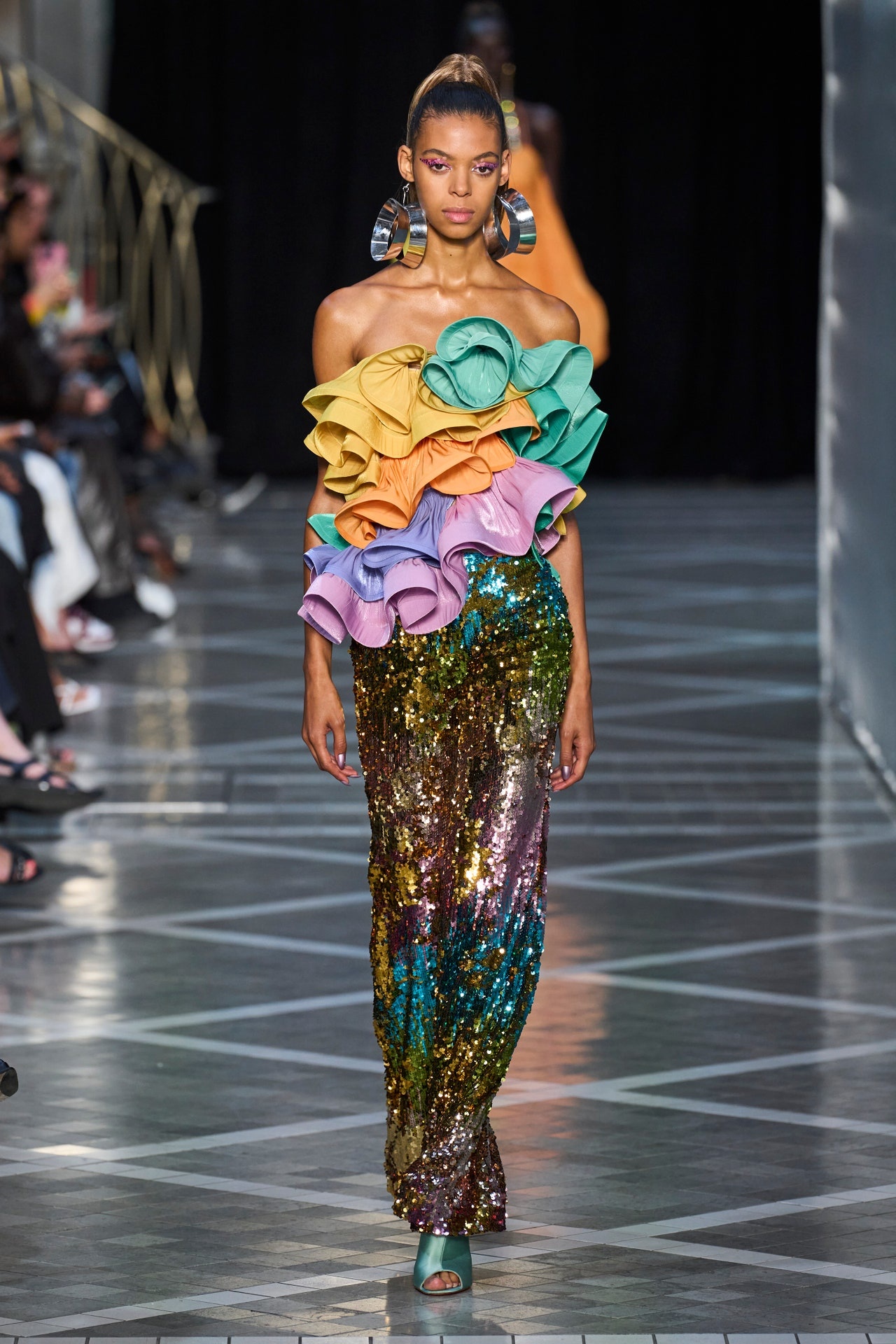
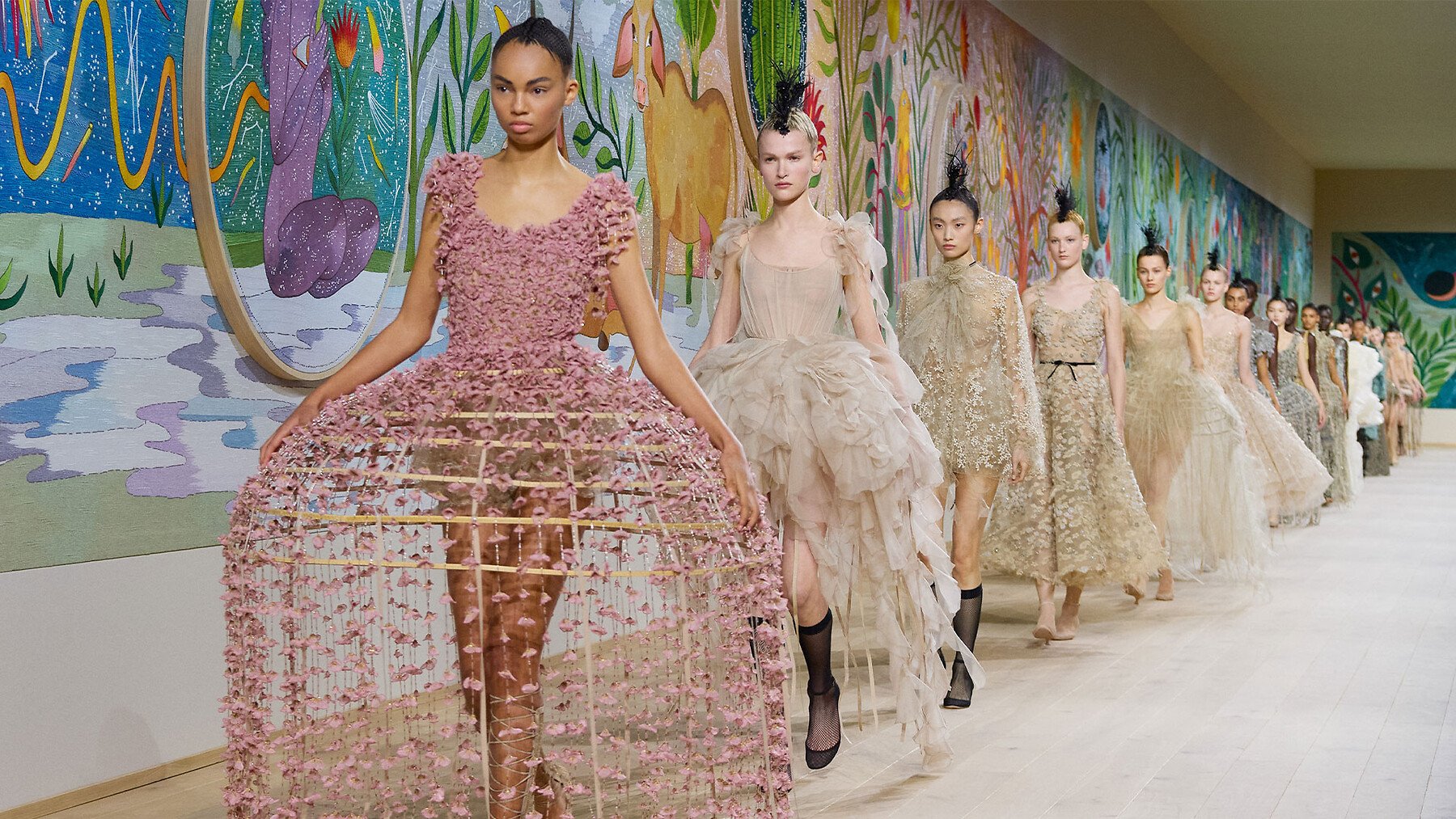
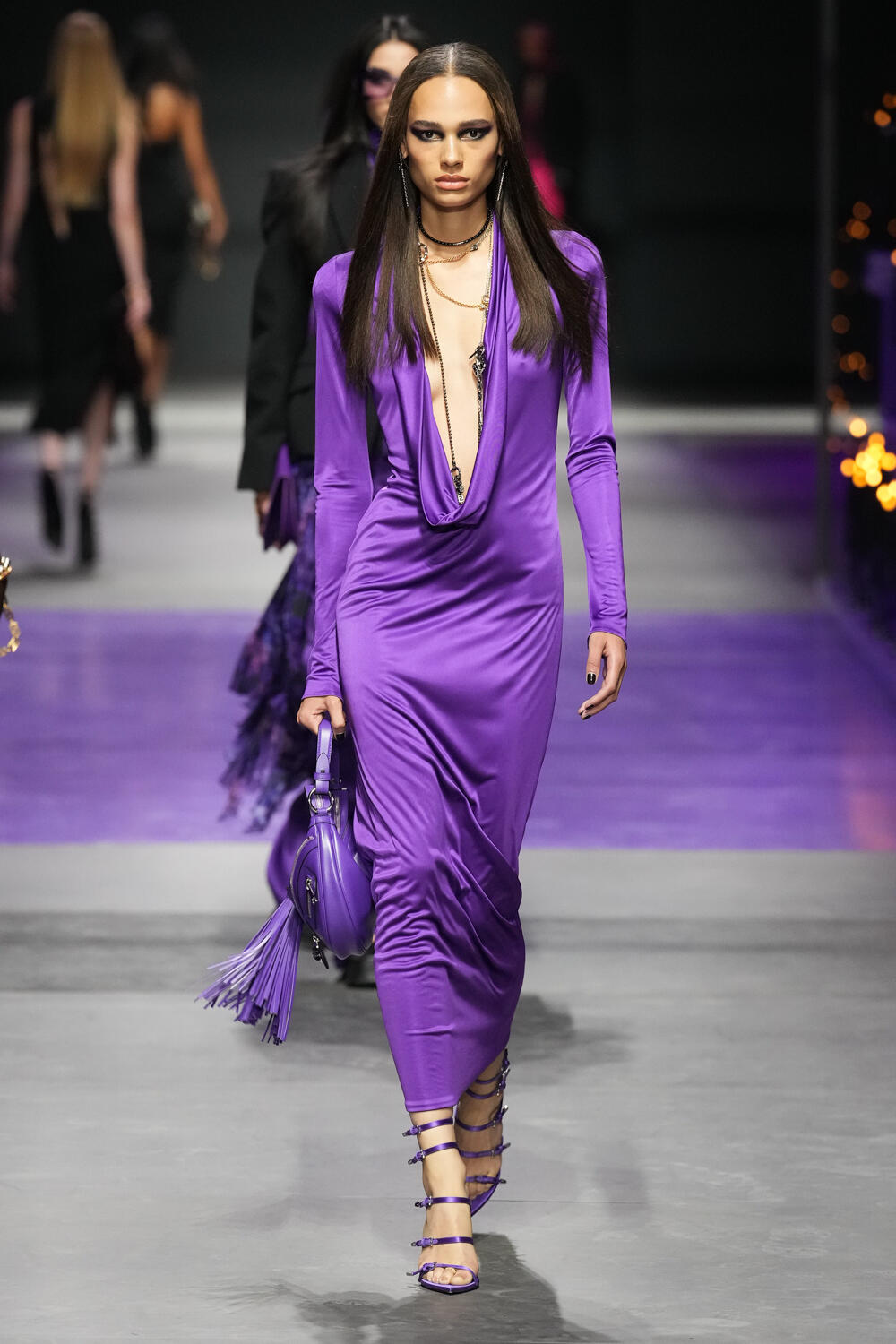
The world of fashion is a vibrant tapestry woven with creativity, artistry, and a powerful visual language. At its heart, the fashion model images that grace magazine covers, digital platforms, and billboards serve as the ultimate embodiment of this ever-changing landscape. These captivating visuals are more than just pretty pictures; they are narratives, aspirations, and sometimes, even statements. Whether you’re a seasoned fashion enthusiast or simply appreciate the aesthetic, understanding the impact and evolution of fashion model images offers a fascinating glimpse into our culture and the trends that shape it.
The Magnificent Power of Fashion Model Images: Beyond the Glamour
The allure of fashion model images is undeniable. They transport us to realms of haute couture, aspirational lifestyles, and cutting-edge design. But beneath the surface of polished perfection lies a complex ecosystem of creativity, business, and social commentary. These images are meticulously crafted, from the initial concept and styling to the final retouching, all with the aim of conveying a specific message or evoking a particular emotion.
From Runway to Reality: The Evolution of Fashion Model Images
The history of fashion model images is a fascinating journey, mirroring societal shifts and technological advancements. Early fashion photography, often black and white, captured a more demure and posed elegance. Think of the iconic images of the 1950s, where models exuded sophistication and grace.
The Golden Age of Print: Mid-20th Century Icons
In the mid-20th century, fashion model images became synonymous with glamour and aspiration. Icons like Audrey Hepburn, Grace Kelly (though more an actress who graced fashion shoots), and Twiggy emerged, each defining a distinct aesthetic. These images were carefully composed, often in studio settings, emphasizing the garment and the model’s ability to embody the designer’s vision. The rise of magazines like Vogue and Harper’s Bazaar solidified the power of these visuals, making them influential forces in shaping public taste. The focus was on a polished, often unattainable ideal, but one that undeniably inspired dreams.
The Disco Era and Beyond: Embracing Individuality
The 1970s and 80s saw a shift towards more diverse and expressive fashion model images. The disco era brought a sense of freedom and individuality, reflected in bolder styling and more dynamic poses. Models like Jerry Hall and Iman brought a new level of charisma and personality to the forefront. This period also saw the beginnings of a more globalized fashion industry, with models from various backgrounds gaining international recognition.
The Digital Revolution: Democratization and Diversity in Fashion Model Images
The advent of digital photography and the internet has revolutionized the creation and dissemination of fashion model images. Suddenly, the exclusivity of glossy magazines began to wane. Social media platforms have empowered aspiring models and photographers, leading to a more democratized and diverse landscape. We now see a wider range of body types, ethnicities, and ages represented, challenging traditional beauty standards and fostering a more inclusive vision of fashion. This evolution has been a significant step forward, making fashion model images more relatable and aspirational for a broader audience.
The Art of the Shoot: Crafting Captivating Fashion Model Images
Creating compelling fashion model images is a collaborative art form involving a multitude of talented individuals. It’s a meticulous process, from conceptualization to execution.
The Visionary: The Photographer’s Role
The photographer is the orchestrator of the visual narrative. They not only capture the image but also interpret the brief, guide the model, and sculpt the light to create the desired mood and aesthetic. Their technical skills and artistic eye are paramount in transforming a concept into a stunning fashion model image.
The Muse: The Model’s Contribution
Beyond simply wearing the clothes, the model brings the garment to life. Their ability to convey emotion, embody a character, and interact with the clothing is crucial. Modern fashion model images often highlight a model’s personality and presence, moving beyond mere mannequins to active participants in the storytelling.
The Stylist’s Touch: Curating the Look
The stylist is the architect of the overall look. They select the clothing, accessories, and even props, ensuring that every element works harmoniously to create a cohesive and impactful fashion model image. Their understanding of trends, silhouettes, and brand identity is vital.
The Glam Squad: Hair and Makeup’s Transformative Power
The hair and makeup artists are essential in completing the transformation. They can enhance a model’s natural features, create dramatic effects, and align the beauty look with the overall theme of the shoot, significantly influencing the final fashion model images.
The Impact and Influence of Fashion Model Images
Fashion model images have a profound impact on consumer behavior, cultural perceptions, and the very definition of beauty.
Driving Trends and Consumer Desire
From the latest "it" bag to the must-have silhouette, fashion model images are instrumental in driving trends. They create desire, influence purchasing decisions, and shape what we consider fashionable. The aspirational nature of these images fuels the fashion industry’s engine.
Shaping Perceptions of Beauty
Historically, fashion model images have played a significant role in defining societal beauty standards. While this has often been a source of criticism for promoting unrealistic ideals, the recent push for diversity and inclusivity in fashion model images is slowly but surely broadening our understanding of what constitutes beauty. This shift is empowering and allows more people to see themselves represented.
A Platform for Social Commentary
In recent years, fashion model images have increasingly been used as a platform for social and political commentary. From showcasing sustainable fashion to advocating for body positivity and challenging gender norms, these visuals can be powerful tools for raising awareness and sparking conversations. The ability of fashion model images to capture attention makes them ideal vehicles for important messages.
The Ethical Considerations in Fashion Model Images
While the aesthetic appeal of fashion model images is undeniable, it’s crucial to acknowledge the ethical considerations surrounding their creation and consumption.
The Pursuit of Perfection: Retouching and Reality
The extensive use of retouching in fashion model images has long been a point of contention. While subtle enhancements are common, excessive manipulation can create unrealistic expectations and contribute to body image issues. The conversation around transparent retouching and a more authentic representation is ongoing and vital for the healthy evolution of fashion model images.
Representation Matters: Inclusivity and Diversity
The ongoing movement towards greater inclusivity in fashion model images is a positive and necessary development. Seeing a wider range of body types, ethnicities, skin tones, and abilities represented not only reflects the real world but also fosters a sense of belonging and empowerment for a diverse audience. This makes fashion model images more meaningful and impactful.
The Well-being of Models
The physical and mental well-being of models is a critical ethical concern. The pressures of the industry, including demanding schedules, strict weight requirements, and the constant scrutiny of their appearance, can take a toll. Ensuring fair treatment, healthy working conditions, and robust support systems for models is paramount in the creation of responsible fashion model images.
The Exquisite Future of Fashion Model Images
The world of fashion model images is in a perpetual state of flux, driven by innovation and evolving societal values.
Embracing Technology: AI and the Metaverse
The rise of Artificial Intelligence (AI) Women model images png unleash your creative vision with stunning visuals and the metaverse presents intriguing possibilities for the future of fashion model images. AI-generated models are becoming increasingly sophisticated, offering new creative avenues. The metaverse allows for virtual fashion shows and digital avatars, blurring the lines between the physical and digital realms. How these technologies will integrate with and potentially transform traditional fashion model images remains a captivating question.
The Continued Rise of Authentic Representation
The demand for authentic and diverse fashion model images is likely to continue to grow. Consumers are increasingly seeking brands that reflect their values and celebrate individuality. This will push the industry to embrace a broader spectrum of beauty and representation, making fashion model images more inclusive and empowering than ever before.
Sustainability and Conscious Consumption
As the fashion industry grapples with its environmental impact, fashion model images will increasingly reflect a commitment to sustainability. Campaigns may highlight eco-friendly materials, ethical production, and conscious consumption, influencing consumer choices and promoting a more responsible approach to fashion.
Fashion Model Images: A Celebration of Style and Substance
In conclusion, fashion model images are far more than just fleeting glimpses of style. They are powerful visual narratives that shape our perceptions, drive trends, and reflect the evolving landscape of our society. From the meticulously crafted artistry of a high-fashion editorial to the relatable authenticity of an influencer’s post, these images continue to captivate and inspire. As the industry embraces greater diversity, ethical considerations, and technological innovation, the future of fashion model images promises to be even more dynamic, inclusive, and ultimately, more representative of the beautiful complexity of the human experience.
So, the next time you encounter a striking fashion model image, take a moment to appreciate the artistry, the message, and the impact it holds. What are your favorite iconic fashion model images? Share your thoughts in the comments below!
Frequently Asked Questions about Fashion Model Images:
Q1: What are fashion model images used for?
A1: Fashion model images are primarily used for advertising and marketing fashion products. They appear in magazines, online stores, social media, billboards, and catalogs to showcase clothing, accessories, and beauty products, influencing consumer purchasing decisions and shaping fashion trends.
Q2: How has the representation in fashion model images changed over time?
A2: Historically, fashion model images often featured a narrow range of body types, ethnicities, and ages, promoting a singular ideal of beauty. In recent years, there has been a significant push towards greater diversity and inclusivity, with more representation of different ethnicities, body sizes, ages, abilities, and gender identities, reflecting a broader and more realistic view of beauty.
Q3: Is retouching common in fashion model images?
A3: Yes, retouching is very common in fashion model images. It’s often used to enhance skin, adjust lighting, and sometimes to alter body shape. However, there’s a growing movement advocating for more transparency and less extreme retouching to promote healthier body image perceptions.
Q4: What is the role of a fashion photographer in creating fashion model images?
A4: The fashion photographer is crucial in conceptualizing and capturing fashion model images. They work with stylists, models, and creative directors to bring a vision to life, using their technical skills and artistic eye to compose shots, manage lighting, and evoke the desired mood and aesthetic.
Q5: How do fashion model images influence consumer behavior?
A5: Fashion model images create aspiration and desire for fashion products. By showcasing desirable lifestyles and attractive individuals wearing specific items, they influence what consumers perceive as trendy, beautiful, and worth purchasing, directly impacting sales and market trends.
.jpg "Fashion Model Images: Inspiring, Empowering, and Always Evolving")

:max_bytes(150000):strip_icc()/100522-pfw-fashion-trends-layered-classics-embed-7b3ed2911c49499296a593651a7c566e.jpg "Fashion Model Images: Inspiring, Empowering, and Always Evolving")