Drawing Models for Fashion Design Templates: The Essential Foundation for Your Creative Vision

Are you ready to unlock your inner fashion designer? The journey from a spark of an idea to a stunning garment begins with a fundamental building block: drawing models for fashion design templates. These essential visual aids are the silent collaborators in your creative process, providing the canvas upon which your innovative designs will come to life. Far from being a mere technicality, mastering the art of drawing fashion models for templates is a powerful, transformative skill that can elevate your design aspirations from mere sketches to compelling presentations.
In the vibrant, ever-evolving world of fashion, a clear and accurate representation of your ideas is paramount. Whether you’re a budding couturier dreaming of your first collection or an established designer seeking to refine your process, understanding how to effectively utilize and create drawing models for fashion design templates is a game-changer. This article will delve deep into the crucial role these models play, explore various techniques, and highlight why they are an indispensable tool for anyone passionate about fashion design.
The Irreplaceable Power of Drawing Models for Fashion Design Templates
Think of drawing models for fashion design templates as the skeletal structure of your creative output. Without them, your innovative fabric choices, intricate embellishments, and avant-garde silhouettes would lack context and impact. They provide a standardized, proportional framework that allows you to:
- Visualize Proportions and Fit: Fashion design is inherently about how garments interact with the human form. Drawing models ensure your designs are drawn to scale, allowing you to accurately assess how a garment will drape, flow, and fit. This is crucial for preventing costly design flaws and ensuring wearability.
- Communicate Your Vision Effectively: Whether you’re presenting to a client, a manufacturer, or a potential investor, clear technical drawings are essential. Drawing models for fashion design templates provide a universal language, enabling others to understand your design intent without ambiguity. This is vital for collaboration and bringing your ideas to fruition.
- Explore Design Variations Rapidly: Once you have a basic model, you can quickly sketch out numerous variations of a single garment. This iterative process, facilitated by the consistent foundation of the drawing model, allows for rapid exploration of different necklines, sleeve styles, hemlines, and embellishments, leading to more refined and innovative final designs.
- Create Detailed Technical Flats: Beyond conceptual sketches, fashion design requires detailed technical flats – the flat, two-dimensional representations of a garment as it would appear laid out. Drawing models for fashion design templates are the bedrock upon which these precise flats are built, including seam lines, darts, and stitching details.
- Develop a Consistent Brand Aesthetic: By consistently using well-drawn models, you establish a recognizable visual style for your brand. This consistency contributes to a professional and cohesive presentation of your collections.
Types of Drawing Models for Fashion Design Templates: Finding Your Perfect Fit
The world of drawing models for fashion design templates isn’t one-size-fits-all. Different types of models serve different purposes, catering to various stages of the design process and individual preferences. Understanding these distinctions will empower you to choose the most effective tools for your needs.
The Classic Croquis: The Agile Artist’s Ally
The croquis is perhaps the most iconic and widely used type of drawing model for fashion design templates. These are stylized, elongated figures that emphasize the garment rather than hyper-realistic anatomical detail.
- Characteristics: Croquis are typically drawn with a tall, slender physique, often with exaggerated leg length (around 8-10 heads tall). Their proportions are simplified to highlight the flow of fabric and the silhouette of the garment. They are usually depicted in a dynamic pose, suggesting movement and adding life to the design.
- Benefits:
- Speed and Efficiency: Croquis are quick to draw, allowing designers to rapidly sketch out multiple ideas.
- Focus on Design: Their simplified form keeps the focus squarely on the clothing.
- Versatility: They can be used for everything from initial brainstorming sketches to more detailed renderings.
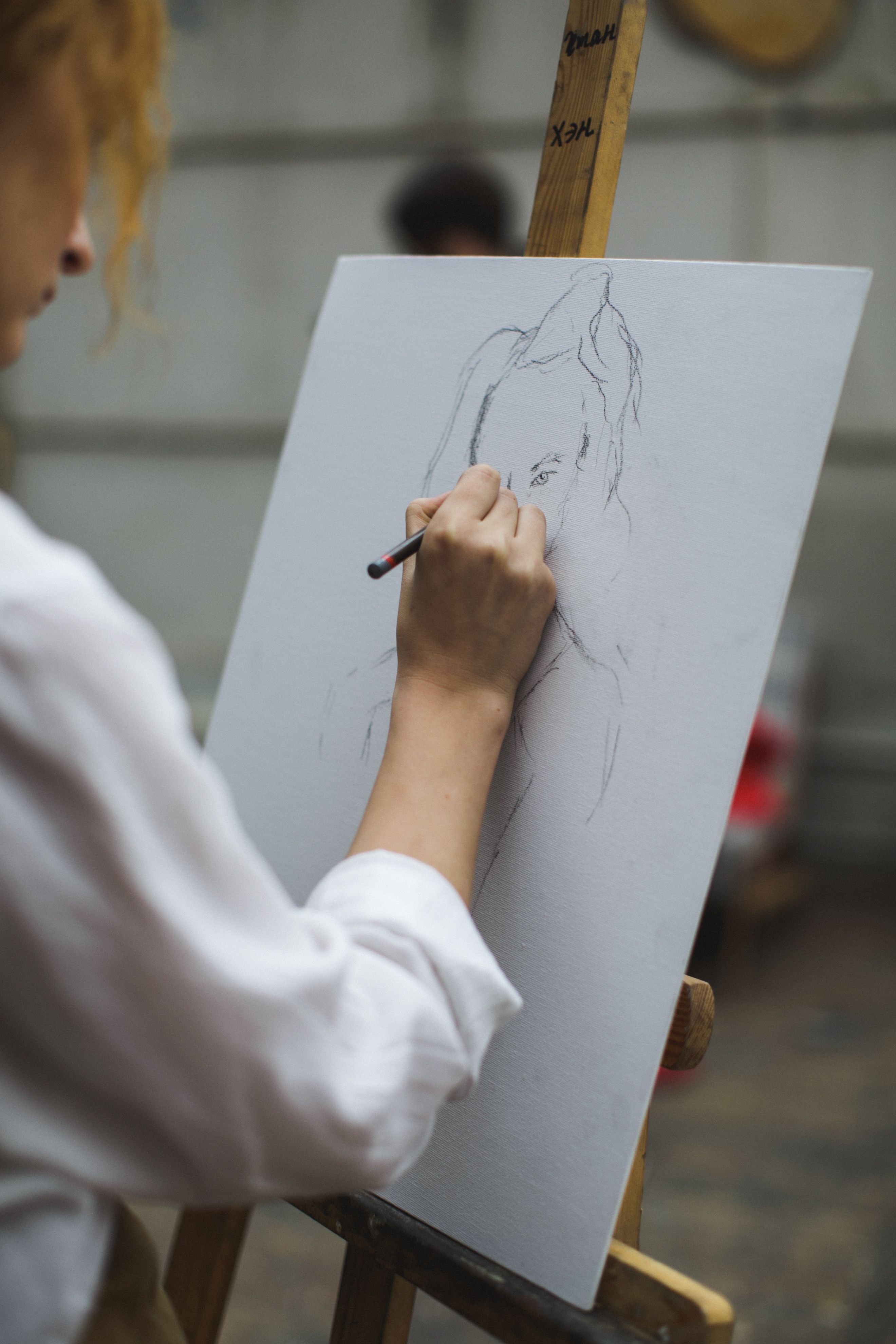
- Creating Your Own Croquis: While pre-printed croquis templates are readily available, learning to draw your own can be incredibly liberating. Start with a basic stick figure and gradually build out the form, paying attention to elegant lines and graceful posture. Practice is key to developing your own signature style.
The Technical Figure: Precision for Production
For a more practical and production-oriented approach, the technical figure comes into play. These models are drawn with more realistic proportions, aiming for accuracy in how a garment will sit on the body.
- Characteristics: Technical figures are typically drawn to a more realistic proportion (around 6-7 heads tall) and often have a neutral, standing pose. The emphasis is on accurate representation of body measurements, posture, and how fabric will lie on different body parts.
- Benefits:
- Accurate Fit Representation: Crucial for technical flats and ensuring garments will fit as intended.
- Detailed Garment Construction: Allows for more precise illustration of seams, darts, and other construction elements.
- Clear Communication with Manufacturers: Provides unambiguous visual information for pattern makers and garment production teams.
- When to Use: Essential for creating detailed technical flats, spec sheets, and when working with manufacturing partners who require precise anatomical representations.
The 3D Mannequin Template: Modern Visualization
In today’s digital age, 3D mannequin templates offer a powerful and increasingly accessible way to visualize fashion designs. These are digital models that can be manipulated and draped with virtual fabric.
- Characteristics: These are computer-generated models that can be posed, rotated, and even animated. They offer a realistic representation of how a garment will look from all angles and how different fabrics will behave.
- Benefits:
- Realistic Visualization: Provides a highly accurate preview of the final garment.
- Virtual Prototyping: Reduces the need for physical samples, saving time and resources.
- Interactive Design Process: Allows for dynamic experimentation with different fabrics, colors, and textures.
- Enhanced Presentation: Can be used to create compelling 3D renderings and animations for portfolios and marketing.
- Software and Tools: Popular software for creating and using 3D mannequin templates includes CLO 3D, Marvelous Designer, and Browzwear.
Mastering the Art: Techniques for Drawing Models for Fashion Design Templates
Regardless of the type of model you choose, certain techniques will elevate your drawing skills and ensure your fashion design templates are effective and impactful.
The Foundation: Understanding Basic Anatomy and Proportion
Even for stylized croquis, a fundamental understanding of human anatomy is beneficial. Knowing where joints bend, how muscles create form, and the natural curves of the body will inform your drawings and make them more believable.
- Head as a Unit of Measurement: A common practice is to use the head as a unit of measurement for body proportions. For realistic figures, this is typically 6-7 heads. For stylized croquis, it can be extended to 8-10 heads.
- Key Landmarks: Identify key anatomical landmarks like the shoulders, waist, hips, knees, and ankles. These points will help you maintain consistent proportions across your drawings.
- Flow and Movement: Think about how the body moves. Even in a static pose, there should be a sense of implied movement and grace.
Sketching the Pose: Bringing Your Models to Life
The pose of your drawing model is crucial for conveying the intended mood and style of your design.
- Dynamic vs. Static: Dynamic poses, with limbs extended and a sense of motion, are excellent for showcasing flowing fabrics and avant-garde designs. Static poses, like a simple standing stance, are better for technical drawings where clarity of construction is paramount.
- Balancing the Figure: Ensure your figure is balanced and stable. Even in a dynamic pose, there should be a sense of equilibrium.
- Expressing Attitude: The tilt of the head, the curve of the spine, and the placement of hands can all convey attitude and personality, adding another layer to your design presentation.
Adding Volume and Draping: The Fabric’s Story
Once your model is sketched, the next step is to illustrate how the garment interacts with the form.
- Understanding Fabric Behavior: Different fabrics drape differently. Consider how silk will flow versus how denim will hold its structure. This understanding will inform your line work.
- Indicating Folds and Shadows: Use light and shadow to create a sense of volume and depth. Subtle folds and creases can suggest how the fabric is interacting with the body and gravity.
- Line Weight Variation: Varying the thickness of your lines can also suggest form and texture. Thicker lines might indicate shadows or the edge of a garment, while thinner lines can suggest finer details.
Utilizing Drawing Models for Fashion Design Templates: Practical Applications
The true value of drawing models for fashion design templates lies in their practical application across various stages of the fashion design process.
- Concept Development: Use your drawing models as a springboard for brainstorming. Sketching different silhouettes and ideas on a consistent model allows for rapid exploration.
- Collection Planning: When developing a collection, drawing models help you maintain a cohesive aesthetic by ensuring all pieces are presented on similar figures with consistent styling.
- Technical Flats and Specification Sheets: As mentioned, drawing models are the foundation for creating accurate technical flats, which are essential for manufacturing. They provide the blueprint for pattern makers.
- Client Presentations and Portfolios: Polished drawings on well-drawn models are crucial for presenting your designs to clients, buyers, and for building a professional portfolio.
- Digital Design and Virtual Prototyping: Even when working with digital tools, understanding the principles of drawing models will inform your 3D creations and ensure realistic garment draping.
Essential Tools for Drawing Models for Fashion Design Templates
To embark on your journey of drawing models for fashion design templates, you’ll need a few essential tools.
- Sketchbook and Pencils: A good quality sketchbook and a range of graphite pencils (from hard H pencils for light sketching to softer B pencils for shading) are fundamental.
- Erasers: A kneaded eraser is excellent for lifting graphite without damaging the paper, while a standard eraser is useful for cleaner corrections.
- Rulers and French Curves: These tools are invaluable for drawing straight lines, smooth curves, and precise shapes, especially for technical drawings.
- Fineliner Pens: For outlining your sketches and creating clean, defined lines, fineliner pens are a great choice.
- Digital Drawing Tools: If you’re venturing into digital illustration, consider a drawing tablet (like Wacom or Huion) and design software such as Adobe Photoshop, Adobe Illustrator, or Procreate.
- Pre-printed Croquis Templates: For beginners or those seeking to save time, pre-printed croquis templates are widely available online and in art supply stores.
Frequently Asked Questions About Drawing Models for Fashion Design Templates
Q1: What is the most important aspect of drawing models for fashion design templates?
A1: The most important aspect is achieving accurate proportions and a clear representation of how the garment will interact with the body, allowing for effective communication of your design vision.
Q2: Should I use realistic or stylized models for my fashion designs?
A2: It depends on your purpose. Realistic figures are better for technical flats and production, while stylized croquis are ideal for conceptual sketches and showcasing the garment’s flow and silhouette.
Q3: How can I improve my drawing skills for fashion models?
A3: Consistent practice is key! Study anatomy, observe how fabric drapes in real life, and experiment with different techniques. Online tutorials and courses can also be very beneficial.
Q4: Are there any software programs that can help me create drawing models for fashion design templates?
A4: Yes, for Affordable dresses near me discover amazing styles unbeatable deals digital illustration, software like Adobe Illustrator and Procreate are excellent. For 3D fashion design and virtual prototyping, CLO 3D and Marvelous Designer are industry standards.
Q5: Where can I find drawing models for fashion design templates to use?
A5: You can find free printable croquis templates online, purchase them from art supply stores, or create your own by practicing drawing figures.
Your Creative Canvas Awaits!
The journey into the captivating world of fashion design is an exciting adventure, and drawing models for fashion design templates are your indispensable companions. They are the silent storytellers, the foundational architects of your sartorial dreams. By mastering their creation and application, you equip yourself with the power to translate imagination into tangible visions, to communicate your unique style with clarity and impact, and to ultimately bring your extraordinary fashion creations to life. So, grab your pencils, embrace the process, and let your creativity flow onto the canvas of your drawing models. The fashion runway of your future awaits!
We’d love to hear about your experiences! What are your favorite techniques for drawing fashion models, or what challenges have you encountered? Share your thoughts in the comments below, and let’s inspire each other on this creative journey!